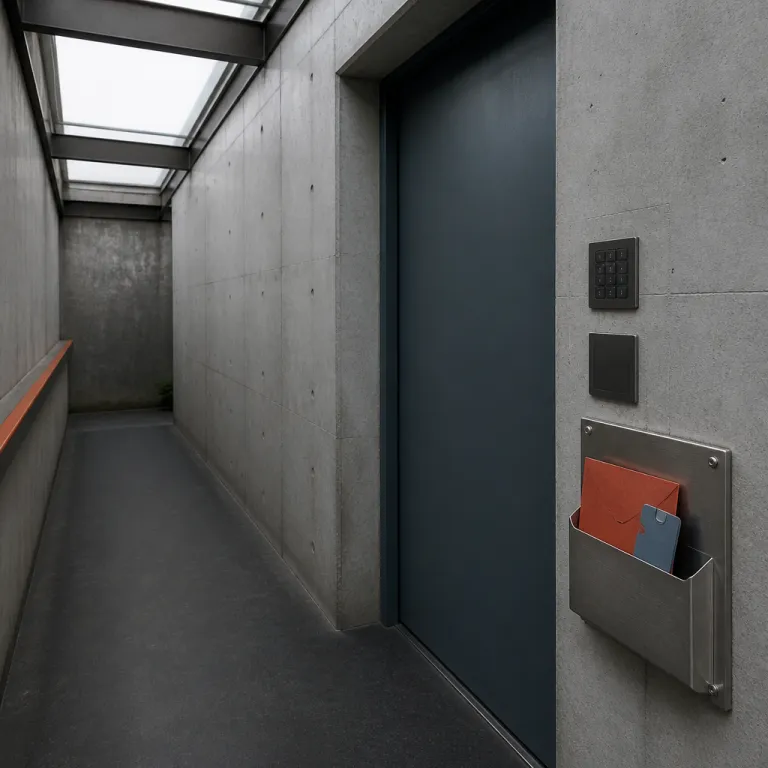
The new language of privacy in luxury and love hotels
Privacy has become the quiet luxury that defines a modern hotel stay. For couples planning a romantic getaway, the real difference lies in how a property handles private hotel check in, an anonymous stay, and couples privacy design from the moment you arrive. Understanding where hotels sit on this privacy spectrum helps you choose the right place for every special occasion.
At one end, mainstream luxury hotels offer sleek apps, mobile keys, and express check time options that reduce face to face contact. At the other, classic love hotels and urban motels in cities like Tokyo, São Paulo, and Panama City engineer total anonymity with garage to room systems and automated lobbies that keep every room private from arrival to departure. Between these extremes, many hotels offer thoughtful rooms and suites layouts, discreet entrances, and soundproofed hotel rooms that protect intimacy without feeling secretive.
For couples, the key is matching your expectations to the individual property rather than assuming all hotels offer the same level of discretion. A design led hotel room in a dense city may prioritise views and a rooftop pool, while a love hotel in a quieter district may prioritise direct access, visual barriers, and minimal staff interaction. This guide unpacks how private hotel check in, anonymous stay protocols, and couples privacy design work in practice, so you can book room options that align with how you actually want to feel during your stay.
From lobby choreography to keyless entry: how contactless luxury really works
Contactless luxury starts long before you reach your room, and it is reshaping how couples move through hotels worldwide. Many high end hotels offer mobile apps that let you check in, choose your preferred check time, and receive a digital key without ever stopping at a front desk. For travellers who value efficiency as much as privacy, this version of private hotel check in feels natural rather than theatrical.
In cities such as New York, London, and San Francisco, large hotels use these tools to manage the flow of guests through the lobby and lifts. You arrive, tap your credit card once if needed, head straight to your floor, and unlock your hotel room with your phone, which keeps corridor time short and interactions minimal. Some hotels offer extra layers, such as in app chat with the spa or bar lounge, so you can arrange a massage, reserve pool cabanas, or order ice without opening your door to staff.
For couples, this contactless model can feel like a soft version of an anonymous stay, especially when combined with good soundproofing between rooms and thoughtful corridor design. If you are curious about how a more radical version works, reading a detailed account of your first love hotel stay in Japan shows how automated kiosks, curtain covered entrances, and room selection screens inspired many of today’s digital systems. The same principles now appear in mainstream hotels, where couples privacy design is expressed through technology rather than mirrored ceilings.
Garage to room: love hotels and the architecture of total anonymity
Total anonymity is where private hotel check in becomes a full architectural concept rather than a simple process tweak. In Brazil, the love motel culture has refined this for decades, with thousands of properties using car based entry systems that lead directly from the street to an enclosed garage beneath each suite. You drive in, the door closes, and you access your room private staircase or lift without crossing a public corridor or lobby.
This model, explored in depth in analyses of garage to room engineering in Brazilian love motels, is privacy architecture in its purest form. Every individual property is designed so that arriving and departing couples never see one another, and staff interaction is reduced to discreet intercoms or hidden service hatches in the walls of the rooms suites. In Panama City, some motels refine the concept further with push button systems that handle payment, room selection, and even food delivery without any face to face contact at any time during the stay.
For couples who want an anonymous stay for a romantic getaway or a sensitive special occasion, this level of privacy can feel liberating rather than furtive. The hotel room becomes a sealed world, often with a private pool, spa style bathroom, or themed suite that turns a few hour stay into a complete escape. When you compare this to a conventional city hotel, you see how couples privacy design here is not an add on but the organising principle of the entire place.
The middle ground: discreet city hotels and soft privacy by design
Between app driven luxury and full anonymity lies a quieter category of hotels that many couples actually prefer. These are the city properties where private hotel check in is available but not mandatory, and where an anonymous stay is possible without feeling like you have stepped into a fantasy motel. The architecture focuses on soft separation rather than total concealment, which suits travellers who want romance without drama.
In practice, this might mean a side entrance that leads directly to lifts, so you can reach your room without crossing a crowded bar lounge at peak hour. Corridors are often short and slightly offset, so doors do not face each other directly and sight lines are broken, which keeps the experience of moving between rooms and suites pleasantly impersonal. Inside, couples privacy design shows up as deep soundproofing, blackout curtains, and thoughtful positioning of the bed and bathroom so that light and noise do not spill into shared areas.
Many of these hotels offer classic amenities such as a rooftop pool, compact spa, and a restaurant that doubles as a social hub for the city. For couples, the appeal is that you can enjoy a romantic getaway with a sense of place, then retreat to a hotel room that feels cocooned from the rest of the property. When you book room options in this middle ground, you are choosing a stay where privacy is respected, but the hotel still feels like part of the neighbourhood rather than a sealed box.
Inside the room: how design details protect intimacy
Once the door closes, couples privacy design becomes a matter of centimetres rather than grand gestures. The way a hotel room is planned can make the difference between a relaxed romantic stay and a night spent worrying about noise, light, or accidental exposure. Love hotels have long treated the room as a stage set, but the best modern hotels now borrow that precision without the kitsch.
Look first at the entrance sequence from corridor to room private space, and notice whether the door opens directly onto the bed or into a small hallway that shields the sleeping area. In well considered hotel rooms, the bathroom and wardrobe often form a buffer zone, so even if someone walks past at the wrong time, they cannot see directly into the suite. High quality doors, double glazing, and acoustic panels between rooms and suites are equally important, especially in dense city locations where late night noise can travel.
Then consider the amenities that shape how you use your time together, from an in room spa tub to a small plunge pool on a terrace that is genuinely private. Some hotels offer special packages for a romantic getaway that include free late check out, a bottle of wine, or access to a quieter bar lounge level, which can be more valuable than generic special offers. When you evaluate a place through this lens, you are not just choosing a hotel, you are choosing how your relationship will feel during those shared hours.
How to read a booking page: a practical privacy checklist for couples
Most booking engines will not say “anonymous stay” outright, so you need to read between the lines. Start with the description of private hotel check in options and see whether the hotel mentions mobile keys, online registration, or a separate entrance for guests who prefer discretion. If the property highlights couples privacy design, soundproofed rooms, or direct access from parking to lifts, that is usually a strong signal.
Next, look closely at the room and suite descriptions rather than just the headline photos. Phrases such as “corner hotel room”, “end of corridor suite”, or “top floor rooms suites” often indicate layouts with fewer passing neighbours and better acoustic separation. When hotels offer packages for a romantic getaway or a special occasion, check whether they include free late check out, private spa access, or use of a secluded pool area rather than only a generic rate guarantee or best rate promise.
Finally, pay attention to the fine print about payment, cancellation, and how hotels offer flexibility. Some couples prefer to pay with a credit card in advance to minimise check in time, while others value the option to settle at the property, based on availability and comfort. A reliable booking platform will clearly state when you are dealing with an individual property, what special offers actually include free extras, and how to book room categories that match your expectations for privacy and length of stay.
Where love hotels and mainstream luxury meet: choosing your place on the spectrum
For many couples, the ideal experience sits somewhere between a dramatic love hotel fantasy and a polished corporate tower. The mission of lovehotelstay.com is to map that territory clearly, offering a guide that treats private hotel check in, anonymous stay options, and couples privacy design as serious criteria rather than curiosities. When you understand this spectrum, you can choose hotels that match not just your budget, but your emotional comfort zone.
At one end, you have properties where the room private environment is everything, and the outside world barely exists for the duration of your stay. At the other, you find city hotels where the bar lounge, spa, and pool are social stages, and privacy is something you retreat to only at night. Most couples move along this line over time, sometimes seeking a quick hour based escape in a love hotel, sometimes planning a longer romantic getaway in a resort style hotel with generous suites and thoughtful service.
If you want to go deeper into how to evaluate a property, our detailed framework for rating a hotel’s privacy architecture breaks down soundproofing, automated check in, and visual barriers in practical terms. Use it alongside booking tools that show real photos of hotel rooms and corridors, not just stylised suite shots. Over time, you will develop an instinct for which individual property layouts, special offers, and rate guarantee promises actually support the kind of intimate, uninterrupted time together that you value most.
Key figures shaping privacy focused stays
- Brazil hosts an estimated several thousand love motels nationwide, making it one of the world’s densest markets for garage to room privacy architecture, which strongly influences regional design standards for anonymous stays.
- In major US cities such as San Francisco and New York, large hotel groups report that a significant share of guests now use mobile keys when available, showing how quickly contactless check in has moved from novelty to norm.
- Industry surveys indicate that a clear majority of travellers rate quiet hotel rooms and strong soundproofing as top factors for satisfaction, placing acoustic privacy above amenities such as on site spa facilities or a rooftop pool.
- Booking platforms consistently show higher review scores for hotels that mention late check out, flexible check time, and discreet entrances, suggesting that time control and arrival privacy are powerful drivers of guest loyalty.
FAQ
How can I tell if a hotel really supports an anonymous stay ?
Look for concrete details rather than vague promises about discretion. Properties that support an anonymous stay usually describe private hotel check in options, side or garage entrances, and minimal lobby routing in their room and suite descriptions. Reviews from other couples often mention whether staff interaction felt optional or unavoidable during the stay.
Are love hotels only for short stays, or can couples book overnight ?
Many love hotels offer both short stay hour based rates and overnight options, especially in large city markets. When you book room categories, check whether the rate is listed by the hour or by the night, and whether late check time extensions are available. For a romantic getaway or special occasion, overnight suites with a private spa or pool style bath usually provide better value than multiple short stays.
What should couples prioritise when choosing a room for privacy ?
Start with location within the building, then focus on layout and soundproofing. Corner hotel rooms, end of corridor suites, and higher floors tend to have fewer passing guests and less noise between rooms and suites. Inside the room private zone, look for solid doors, blackout curtains, and bathrooms that do not share thin walls with neighbouring hotel rooms.
Do contactless check in systems really make a difference for couples ?
For many couples, contactless systems reduce small frictions that can break the mood. Being able to complete private hotel check in on your phone, go straight to your hotel room, and manage requests via chat keeps your time in shared spaces short. Combined with good couples privacy design in corridors and lifts, this can make a standard city hotel feel much closer to an anonymous stay.
How do I balance privacy with amenities like a spa or bar lounge ?
Think about how you want to use your time together, then choose accordingly. If you value a lively bar lounge, full service spa, and rooftop pool, a discreet city hotel with strong soundproofing and thoughtful room layouts may be ideal. If uninterrupted privacy matters more than shared facilities, a love hotel or motel style individual property with direct access to your suite and limited common areas will likely suit you better.