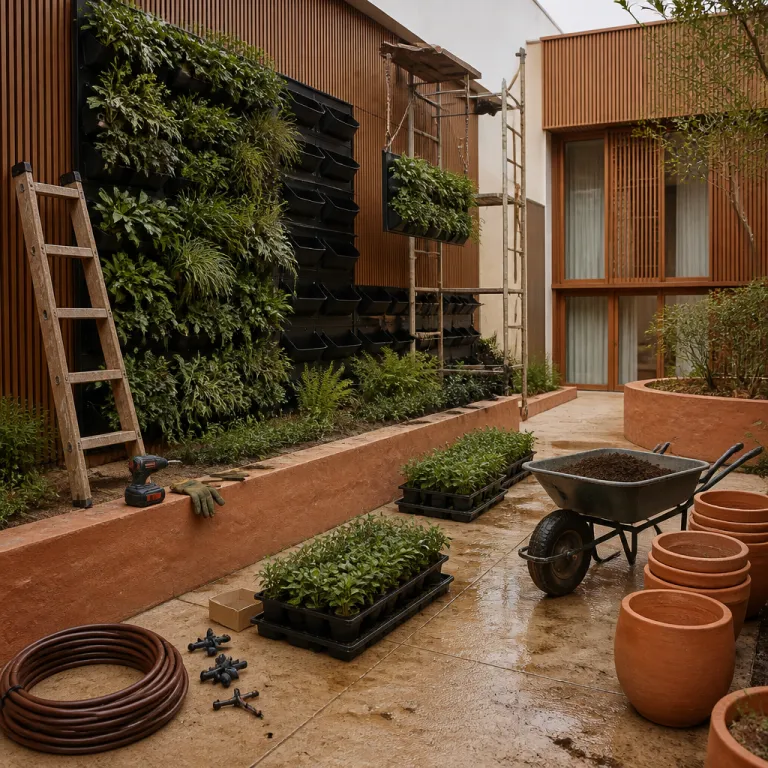
From potted plants to living structure in biophilic hotel design
Biophilic hotel design is no longer a niche talking point for sustainability teams; it is quietly reshaping how the most interesting love hotels and family friendly resorts are planned from the ground up. When nature driven design moves beyond a few ferns in the lobby, the entire hotel becomes a calibrated interface between landscape, architecture, hospitality and the intimate guest experience, which is exactly where discerning travelers feel the difference. The sign that a property is serious is simple yet rare: nature is treated as structure, not as decoration.
Biologist Edward O. Wilson framed biophilia as our innate tendency to seek connections with other forms of life, and that idea now underpins a new generation of hotel architecture where courtyards, planted roofs and open air corridors are the primary design elements rather than afterthoughts. Social ecologist Stephen Kellert later helped translate this theory into a practical biophilic design framework for architects, interior design studios and hospitality specialists, giving hotel owners a shared language to brief their teams. When you walk into one of these hotels, you feel the air move differently, you hear filtered nature sounds instead of mechanical hum, and you sense that every space has been shaped by clear design principles rather than by trend chasing.
For families booking through a luxury and premium platform, the most useful filter is to look for hotels where natural light, cross ventilation and natural materials are doing the heavy lifting of comfort. In a genuine biophilic hotel, nature inspired courtyards double as thermal buffers, planted façades act as insulation, and water features are positioned to support passive cooling rather than to simply add a photogenic backdrop. This approach to hospitality design is not only eco friendly in terms of energy use; it also supports guest wellbeing by reducing stress levels and helping to stabilize circadian rhythms during travel, outcomes echoed in Roger Ulrich’s early hospital studies on views of nature and faster recovery times.
How nature becomes the organizing logic of love hotels
Some of the most radical experiments in nature centered hotel architecture have emerged not from wellness retreats but from Japanese love hotels, where atmosphere and privacy are non negotiable. Long before biophilia became a design buzzword, these hotels were threading interior gardens, rock pools and projected nature sounds through guest suite layouts to heighten sensory immersion and create a cocooned guest experience. The best examples show how a nature inspired approach can sit comfortably alongside neon signage, cinematic lighting and advanced room technology without feeling contradictory.
In these properties, hospitality architects and interior design teams often treat each guest suite as a self contained micro landscape, with layered natural materials, carefully tuned sounds and a controlled view that edits the city out of frame. The visual language of curved glass, textured concrete and saturated color explored in many urban love hotels has already influenced mainstream hospitality design, a lineage unpacked in depth in this analysis of neon, concrete and curved glass in love hotel architecture. When that visual experimentation is anchored by biophilic design principles — daylight where privacy allows, fresh air where possible, and tactile, natural materials at hand height — the result is a hotel that feels both cinematic and strangely calming for couples and families alike.
For travelers, one reliable sign of thoughtful hotel design is how the transition from corridor to room is handled; in many biophilic love hotels, open air walkways, planted bridges or semi outdoor lift lobbies create a decompression zone before you reach the guest suite. This spatial approach borrows as much from progressive school architecture and courtyard housing as from classic motel layouts, using layered thresholds to modulate sounds, air and light. Families arriving with children notice that this kind of space planning softens the shift from street to room, which supports guest wellbeing and sets the tone for more grounded guest experiences inside, especially when stroller friendly ramps, low level planting and clear sightlines are built into the circulation routes.
Material intelligence: wood, stone and the quiet power of natural finishes
Look closely at any serious example of biophilic hotel design and you will see that the material palette is doing as much work as the floor plan. Timber ceilings, clay plaster, bamboo screens and stone floors are not just aesthetic gestures; these natural materials regulate humidity, absorb sounds and age in ways that add narrative depth to the guest experience. Synthetic finishes can be easier to clean, but they rarely offer the same sense of life, especially when you are barefoot in a guest suite with children exploring every surface.
In São Paulo’s love motel culture, for instance, sherbet colored walls and glossy tiles once dominated, a visual language mapped in this deep dive into sherbet walls, neon lights and fantasy garages. The most forward looking hotel owners there are now layering in natural materials — timber headboards, stone basins, linen upholstery — to soften the glare and bring biophilic design principles into what were once purely theatrical spaces. When hospitality architects pair these tactile surfaces with controlled nature sounds and adjustable natural light, the result is a more grounded hospitality design language that still leaves room for play, while maintenance teams report that well sealed timber and stone can match the life cycle of synthetics if cleaning protocols and humidity control are planned from the outset.
Families feel this shift in very practical ways, because children interact with natural materials differently from synthetics; they lean against warm timber, trace the grain of stone and respond instinctively to the way light moves across textured walls. In a well considered hotel design, these design elements are positioned at child height and hand height, turning circulation zones into quiet learning moments that echo the best of contemporary school architecture. For parents, the sign of a thoughtful approach is that eco friendly finishes, air quality and acoustic comfort are all working together, supporting guest wellbeing without needing a sustainability manifesto on the bedside table, an effect consistent with Stephen Kellert’s emphasis on multisensory, material rich environments in his biophilic design framework.
Indoor–outdoor flow: dissolving the wall between room and landscape
Where biophilic hotel architecture becomes unforgettable is in the handling of thresholds between inside and outside. The most compelling hotels use expansive glazing, retractable partitions and open air bathrooms to create a continuous space where natural light, air and view are always in play. For families booking a love hotel style suite with a private terrace or courtyard, this indoor–outdoor flow can transform a short stay into a layered set of guest experiences.
Properties such as PARKROYAL Collection Pickering in Singapore, designed by WOHA and opened in 2013, or Six Senses Ibiza by architect Jonathan Leitersdorf, show how stacked sky gardens, planted bridges and water courts can structure an entire hotel, not just its spa wing. In Singapore, the Pickering project has reported energy savings of around 20 to 30 percent compared with a conventional tower hotel of similar size, largely due to its deep planting, shading fins and naturally ventilated circulation decks documented in the property’s sustainability reporting. In Japan, the adaptive reuse of historic structures into nature immersed retreats — as seen in the transformation of a Meiji era prison into a 48 suite sanctuary in Nara, covered in detail in this feature on a garden centric heritage hotel conversion — demonstrates how strong design principles can weave biophilia into even the most unlikely shells. In many of these hotels, hospitality architects choreograph a sequence where you move from shaded arcade to planted courtyard to semi outdoor lounge before reaching the guest suite, allowing your circadian rhythms to recalibrate through repeated exposure to daylight and nature sounds.
For parents, this approach offers a quiet advantage; children have safe, legible outdoor space to explore without leaving the protective envelope of the hotel. When architects and designers align glazing, shading and planting so that every major space has a meaningful view and access to fresh air, screen time tends to drop and shared activities rise. The experience feels less like being sealed in a climate controlled box and more like inhabiting a small, walkable piece of landscape where hospitality design and nature inspired architecture are working in concert, a pattern echoed in post occupancy studies that link access to greenery with higher reported satisfaction and lower perceived stress.
Biophilic hospitality for families: what to look for when you book
For a premium family using a luxury and premium booking website for love hotels, the challenge is to read between the marketing lines and identify where nature based hotel design is genuinely embedded. A few plants and a green wall do not equal biophilic design; the real sign is when natural light, fresh air and natural materials are clearly shaping the layout of every guest suite and shared space. When you scan photos and floor plans, look for courtyards, operable windows, shaded terraces and layered planting rather than isolated décor moments.
Research on biophilic environments has repeatedly linked access to nature with measurable reductions in stress and improvements in mood, while studies on daylight exposure suggest modest gains in focus and sleep quality — effects that translate in hospitality to calmer children and more rested parents. The most thoughtful hotels use technology quietly to support this, with smart controls that dim lights in sync with circadian rhythms, low noise ventilation that preserves nature sounds and occupancy sensors that reduce energy use without compromising guest wellbeing. When hotel owners brief hospitality architects and interior design teams with these outcomes in mind, the resulting guest experiences tend to feel both more luxurious and more relaxed, and align with evidence based design approaches that have shown up to double digit percentage improvements in reported comfort in workplaces and schools.
As you compare hotels, pay attention to how each property talks about air quality, eco friendly operations and the role of nature in its hospitality design story. A credible approach will reference biophilia explicitly, explain which natural materials have been prioritized and show how design elements such as shading, planting and water are integrated into the overall hotel design rather than scattered as afterthoughts. Choose the hotel where life seems to flow through the plan — where every corridor, lounge and guest suite is built around a garden or a view — and you will almost always find that the stay feels longer, softer and more restorative than the booking confirmation suggested.
FAQ
What is biophilic design in hotels ?
Biophilic design in hotels is a structured approach to architecture and interior design that integrates natural elements such as light, air, water, plants and natural materials to strengthen the human connection with nature. In hospitality, this means that courtyards, planted roofs, open air corridors and tactile finishes are used as core design elements rather than as decorative afterthoughts. The goal is to enhance guest wellbeing, support environmental performance and create a more memorable guest experience for couples and families, echoing research by Edward O. Wilson and Stephen Kellert on the psychological benefits of nature contact.
How can I tell if a hotel truly follows biophilic principles ?
A genuine biophilic hotel will show clear evidence that natural light, ventilation and natural materials are shaping the layout of rooms and shared spaces. Look for operable windows, cross ventilated corridors, interior gardens, water features used for passive cooling and consistent use of timber, stone or clay at touch points. If nature appears only as potted plants or a single living wall, the property is likely using the language of biophilia without fully committing to its design principles, and you may not see the stress reduction and sleep quality gains associated with more immersive nature based environments.
Why are hotels adopting biophilic design ?
Hotels are adopting biophilic design to enhance guest experience, improve environmental sustainability and respond to growing demand for wellness oriented stays. Operators have seen that nature inspired spaces can reduce stress, support healthier circadian rhythms and encourage guests to spend more time in shared areas, which benefits both wellbeing and revenue. This shift also aligns with broader trends in eco friendly construction and responsible hospitality design, and with case studies such as PARKROYAL Collection Pickering that demonstrate meaningful energy savings from integrated planting and passive design strategies.
Are biophilic hotels suitable for families with children ?
Biophilic hotels are particularly well suited to families, because children respond strongly to natural materials, daylight and access to safe outdoor space. Courtyards, planted terraces and open air corridors give younger guests room to explore while remaining within the protective envelope of the hotel. Parents often report that in these environments, screen time drops, sleep quality improves and shared guest experiences feel more relaxed, mirroring findings from environmental psychology on how nearby greenery and daylight can support mood and attention in children.
Do biophilic hotels always cost more than conventional properties ?
Biophilic hotels can sit across a range of price points, from premium love hotels to larger family resorts, and they are not automatically more expensive than conventional properties. While some construction costs may be higher due to natural materials or complex landscaping, operational savings from passive cooling, natural ventilation and efficient lighting can offset these over time. For travelers, the key is to weigh the added value in guest wellbeing and experience against any price difference when choosing where to stay, especially when a slightly higher nightly rate may be balanced by better sleep, lower stress and more time spent enjoying the hotel’s shared spaces.