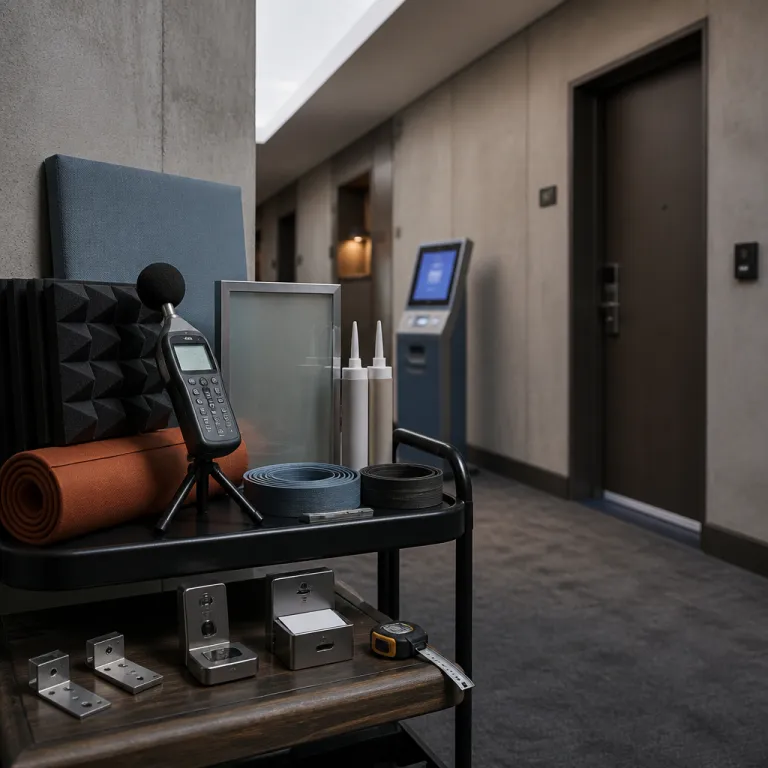
How love hotels quietly perfected privacy architecture
Love hotels were engineering privacy architecture long before it became a luxury buzzword. In cities like Tokyo, São Paulo, and New York, the most discreet hotels treat privacy as a design system that choreographs every sound, sight line, and staff interaction. For couples booking a romantic escape, understanding this system turns a simple hotel room into a reliably quiet, emotionally safe retreat.
At the core of any serious hotel privacy soundproofing automated check-in design guide sit three pillars ; visual privacy, acoustic control, and procedural discretion. Visual privacy covers everything from garage to room layouts and double doors to how corridors bend so you rarely see another guest. Acoustic control is where soundproofing, acoustic panels, solid core doors, and careful management of sound transmission between rooms decide whether you hear a neighbour’s shower or only your partner’s voice.
Procedural discretion is the third pillar, and it is where love hotels still lead. Automated check-in, mobile keys, and automatic door systems mean a guest can arrive, move through hotel doors, and reach hotel rooms without eye contact or conversation. When these three pillars align, a soundproof hotel stops being a fantasy and becomes a measurable standard that you can evaluate before you book.
Visual privacy: entrances, corridors, and the no-eye-contact lobby
Visual privacy begins long before you test the sound of a door closing. In the best love hotels, the approach route is choreographed so that guests move from street or garage to hotel door to room with minimal exposure. You see this in garage to room systems in São Paulo and in indirect corridors in Tokyo, where doors are offset and rooms are buffered by small vestibules.
For couples using a luxury and premium booking website, photos of entrances and corridors are your first visual privacy checklist. Look for separate entrances, side lobbies, or lifts that serve fewer rooms, because these layouts reduce both noise and chance encounters with other guests. A hotel that takes visual privacy seriously will often show angled corridors, double door vestibules, and windows that are either frosted or carefully oriented away from public sight lines.
Procedural design matters as much as architecture here. Properties that offer private love hotel reservations with elevated luxury experiences often pair visual privacy with automated check-in kiosks or mobile keys, so you move from automatic door to lift without queuing at a desk. When you scroll a gallery, notice whether hotel rooms open directly onto a busy corridor or whether core doors are recessed behind a small alcove, because that tiny offset can dramatically reduce sound transmission and passing footfall.
Acoustic privacy: reading soundproofing like a design critic
Acoustic privacy is where romance either flourishes or frays. A hotel can look seductive online yet fail the moment noise from the next room bleeds through a flimsy hotel door. To rate a property properly, you need to read its soundproofing strategy the way an architect or acoustic consultant would.
Start with the doors, because a soundproof door is the front line of any hotel soundproofing plan. Ask whether the property uses solid core doors rather than hollow ones, and whether each hotel door has a continuous door seal and door sweeps that touch the floor. In a well designed soundproofing hotel, these seals and sweeps are paired with heavier core doors and sometimes with double doors, creating a small sound lock that traps sound before it reaches the corridor.
Walls and ceilings come next. High performing hotel rooms often hide acoustic panels behind fabric, timber slats, or artwork, turning technical soundproofing products into part of the décor. If a hotel describes itself as a soundproof hotel, look for mentions of acoustic insulation, noise reduction glazing at windows, and window inserts that improve sound transmission performance without sacrificing daylight. A credible hotel privacy soundproofing automated check-in design guide will always explain how these layers work together, not just repeat the word soundproof as marketing.
Doors, windows, and the quiet mechanics of a soundproof stay
Most noise problems in hotels leak through the weakest points ; doors and windows. When you walk into a hotel room, the first thing to check is how the door meets the frame and the floor. A well engineered door soundproofing system uses thick seals around the jamb, a robust door seal at the threshold, and door sweeps that close the gap to the carpet or stone.
Love hotels that specialise in privacy often go further, using automatic door closers that pull the leaf tightly against the door seals every time. Some even specify upgraded core doors with higher mass, because weight is one of the simplest tools for noise reduction. When multiple doors line a corridor, this combination of solid core construction, precise door soundproof detailing, and soft closers keeps the overall sound in the hallway surprisingly quiet, even when guests come and go frequently.
Windows are the second critical interface between sound and sleep. In dense urban districts, the most effective soundproofing products are often secondary window inserts that create an extra air gap behind the main glazing. These discreet window inserts can transform traffic sound into a distant murmur, especially when paired with heavy curtains and acoustic panels on adjacent walls. If a property markets itself as a soundproof hotel, it should be able to explain whether it uses laminated glass, specialist window inserts, or both to manage external noise.
Procedural privacy: automated check-in and muted technology
Privacy is not only about how sound moves through walls ; it is also about how you move through the building. Automated check-in has shifted from novelty to norm, with industry surveys showing that a majority of hotels now offer some form of contactless arrival. For couples who value discretion, this is not a gadget but a core part of the hotel privacy soundproofing automated check-in design guide.
In the most advanced love hotels, you can arrive by car, enter through an automatic door from a private garage, and complete check-in via kiosk or mobile app without speaking to staff. This procedural design reduces the number of people who know your movements and shortens the time you spend in shared spaces where noise and visual exposure are higher. As one industry explainer puts it succinctly, “How does automated check-in work? Guests check in via kiosks or mobile apps without staff.”
Muted technology is the emerging trend that ties this together. Mobile keys, app based room controls, and discreet messaging with the front desk mean fewer phone calls, fewer knocks on the door, and less sound transmission from corridor to room. When evaluating hotels, ask whether housekeeping can be scheduled digitally, whether late checkout can be requested in app, and whether the property uses quiet automatic door systems rather than loud magnetic locks that slam and echo along the corridor.
Learning from love hotel precedents worldwide
Love hotels have long been laboratories for privacy architecture, especially in dense cities where sound and sight lines are hard to control. In São Paulo’s motel culture, for example, garage to suite layouts and double door vestibules create a privacy spectrum that ranges from simple discretion to near total anonymity. A detailed field report on São Paulo’s love motels shows how garages that lead directly to themed rooms also buffer noise and reduce sound transmission between adjacent suites ; the same principles now appear in mainstream luxury hotels.
Tokyo’s best designed love hotels use layered acoustic strategies that combine soundproof doors, window inserts, and hidden acoustic panels behind playful interiors. Corridors bend, rooms are staggered, and hotel doors are recessed so that guests rarely face each other directly. This choreography of sound, door placement, and visual barriers is not about titillation but about engineering a quiet, emotionally contained space where a guest can forget the city outside.
For couples planning high stakes moments, such as engagements or milestone anniversaries, these precedents matter. Luxury proposal packages in mainstream hotels increasingly borrow from love hotel privacy playbooks, pairing automated check-in with carefully sealed hotel rooms that keep both noise and staff interruptions at bay. When you read any hotel privacy soundproofing automated check-in design guide, look for references to double doors, solid core construction, door seals, and discreet circulation routes ; these are the quiet signatures of properties that understand what intimacy really requires.
How to evaluate privacy before you book
Evaluating privacy before you arrive is part research, part detective work. Start with the basics ; read reviews specifically mentioning noise, and pay attention when multiple guests complain about thin walls or slamming doors. Industry data shows that a significant share of guest complaints relate to noise, which means hotel soundproofing is not a niche concern but a mainstream comfort issue.
Next, interrogate the visuals. Study floor plans if available, and in their absence, read photos of corridors, doors, and windows as carefully as you read images of beds and baths. Look for recessed hotel doors, visible door sweeps, and signs of acoustic panels or heavy curtains in rooms that face busy streets, because these details indicate investment in soundproofing products rather than cosmetic upgrades.
Finally, ask direct questions before you book. A serious property will be able to explain whether its hotel rooms use solid core doors, what type of door seal and door sweeps are installed, and whether any window inserts or laminated glazing have been added for noise reduction. When a hotel can clearly describe its approach to soundproofing hotel corridors, managing sound transmission between rooms, and integrating automated check-in with visual barriers, you can be confident that its privacy architecture has been thought through, not improvised.
Key figures on hotel privacy and soundproofing
- Industry surveys show that around a quarter of guest complaints in urban hotels relate directly to noise, underlining how gaps in hotel soundproofing and door soundproofing quickly erode satisfaction.
- Roughly six in ten properties worldwide now offer some form of automated or contactless check-in, reflecting how procedural privacy and reduced lobby time have become mainstream expectations rather than niche perks.
- Studies on traveller behaviour indicate that a large majority of guests place high value on visual privacy, which supports investment in indirect corridors, double doors, and visual barriers alongside acoustic panels and window inserts.
- Technology audits in major cities such as New York show growing integration of smart locks and automatic door systems, which quietly improve both security and noise reduction by ensuring doors close fully against their seals every time.
FAQ: hotel privacy, soundproofing, and automated check-in
What is hotel soundproofing in practical terms ?
Hotel soundproofing refers to the combination of construction methods and soundproofing products used to reduce sound transmission between rooms, corridors, and the exterior. In practice, it means solid core doors with effective door seals, insulated walls, acoustic panels, and upgraded windows or window inserts that deliver measurable noise reduction. When these elements are coordinated, guests experience quieter rooms and fewer disturbances from neighbours or street traffic.
How does automated check-in improve privacy for couples ?
Automated check-in allows guests to bypass the front desk and complete arrival via kiosk or mobile app, which reduces conversations and time spent in public spaces. For couples, this means moving more quickly from entrance or garage to hotel room, often through an automatic door and lift sequence designed for minimal interaction. The result is a smoother, more discreet arrival that supports the broader hotel privacy soundproofing automated check-in design guide.
What should I look for in a quiet hotel room layout ?
A quiet hotel room is usually set away from lifts, ice machines, and service doors, with the bed wall not directly back to back with another room’s bed. Recessed hotel doors, visible door sweeps, and double door vestibules are strong indicators of good door soundproofing and reduced corridor noise. Rooms facing internal courtyards or fitted with acoustic panels and heavy curtains over upgraded windows also tend to offer better noise reduction.
Are window inserts really effective against city noise ?
Well designed window inserts can significantly reduce traffic sound by adding an extra layer of glazing and an air gap, which disrupts sound transmission. When combined with laminated glass and tight seals around the frame, these inserts help transform a standard room into something closer to a soundproof hotel experience. They are especially valuable in historic buildings where replacing original windows is not possible but acoustic comfort for guests still matters.
Who is responsible for implementing privacy architecture in hotels ?
Hotel management typically leads the implementation of privacy architecture, working with acoustic consultants, IT specialists, and interior designers to coordinate soundproofing, automated check-in, and visual barriers. Technology providers supply the hardware and software for smart locks, automatic door systems, and check-in platforms, while guests experience and validate these features through their stays and feedback. When all actors collaborate, hotels can systematically improve privacy, security, and overall guest satisfaction.