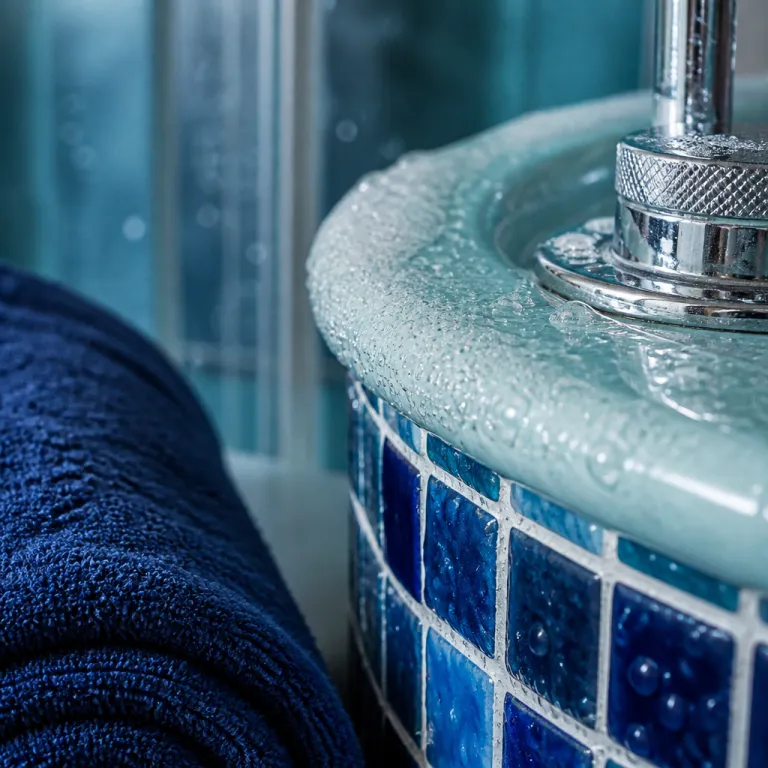
The bathroom as the true luxury room in love hotels
In a refined love hotel, the bathroom is never an afterthought. It is the stage where intimate rituals unfold, a space that rivals the bedroom and often surpasses it in scale and drama. When you read a floor plan for a serious property, you quickly see that the largest single space after the bed area is usually the bathroom, reflecting how central bathing and relaxation have become to the guest experience.
Owners and interior designers in Japan learned early that couples remember the bath more than the bed, so they invest in bathroom concepts that feel theatrical rather than purely functional. That is why many love hotel bathrooms are highly choreographed environments; they exist to provide unique, private experiences for guests. The result is a room design where the bath, the shower and even the bathroom storage are treated as sculptural elements, not just plumbing hidden behind doors.
In many luxury hotel projects inspired by Tokyo and Osaka, the bathroom becomes the visual anchor of the entire room. A freestanding bath sits on raised floor tiles, framed by black and white marble or textured tiles on the walls that create depth and shadow. The best hotel bathrooms use this space to choreograph how your body moves from vanity to shower to bed, turning a simple bathroom into a stylish bathroom that feels like a private spa and a core part of the overall suite.
Theatrical layouts, glass walls and the open plan revolution
Walk into a top tier love hotel in Shinjuku and the first thing you notice is how the bathroom and bedroom bleed into one another. Glass walls slide or switch from clear to opaque, so the bathroom design can feel either like a stage or a cocoon. This open plan approach to hotel bathrooms is where the influence of love hotel design is most visible, because the bathing area becomes part of the main room rather than a sealed utility box at the end of a corridor.
Designers use these layouts to create a sense of drama; a freestanding bath might sit almost in the center of the room, with a rain shower behind a glass partition and a double vanity acting as a low wall. The feature that matters is not only what you see from the bath, but what you feel as you cross the space, with floor tiles changing texture underfoot to signal wet and dry zones. If you are interested in how lighting amplifies this theatre, a useful deep dive into after dark hotel design shows how ambient light can turn even compact bathrooms into cinematic sets.
In mainstream luxury hotel projects from New York to Cape Town in South Africa, this open bathroom idea has been adopted with a modern twist. Designers borrow the love hotel habit of aligning the bath with the best view, then add privacy through sliding screens, art deco inspired metalwork or black and white lattice panels. The result is a style bathroom concept where the bathroom features are as photogenic as the lobby, and where couples feel the bathing area is the most intimate room in the entire hotel, not just a practical annex.
Japanese technology: from Washlet toilets to chromotherapy showers
Technology is another reason the love hotel bathroom remains one of the most carefully designed rooms in hospitality. In Japan, where the concept first matured, heated toilet seats, TOTO Washlet bidet functions and multi function shower panels with body jets became standard in many bathrooms long before they appeared in Western luxury hotel properties. These bathroom features were not gimmicks; they were part of a deliberate strategy to make the bathroom feel like a high tech cocoon for the body, supported by domestic manufacturers that turned everyday fixtures into precision instruments.
Today, when you read the amenity list for a serious love hotel, you often see chromotherapy lighting in the bath, steam options in the shower and TV in mirror technology at the vanity. These bathroom ideas have migrated into luxury bathroom suites in global capitals, where couples now expect a bathroom design that responds to mood with adjustable light, sound and water pressure. For travelers planning a special stay, these design ideas can be as important as a view or a restaurant, especially if you are considering a proposal and looking at elevated luxury proposal packages and unforgettable planning ideas that rely on a dramatic bathroom backdrop.
Smart controls also help create a more sustainable and comfortable space. Timed ventilation, underfloor heating beneath the floor tiles and occupancy sensors for ambient light all contribute to a modern twist on traditional spa rituals. In the best hotel bathrooms, every feature from the freestanding bath to the shower head is chosen with the same care as a piece of furniture, so the bathroom designs feel coherent rather than cluttered with sponsored gadgets or one off novelties.
Materials, tiles and the art of sensual surfaces
Material choice is where love hotel bathroom design expresses luxury in the most tactile way. Couples rarely remember the brand of faucet, but they remember how the floor tiles felt under bare feet and how the walls caught candlelight. When you step into a well considered bathroom, the combination of tiles, stone and glass should feel like a single composition rather than a collage, with joints, grout lines and transitions handled as carefully as a piece of joinery.
Many Japanese and Korean love hotels use art deco cues to create glamorous bathrooms, with black and white checkerboard floor tiles, fluted glass and brass trims that echo classic ocean liners. Others lean into minimalist interior design, using large format porcelain tiles and concealed drains to create a calm, almost gallery like space. In both cases, the bathroom ideas are driven by how the body experiences temperature, texture and acoustics, not just by what looks good on a pinterest board or in a quick social media scroll.
When you evaluate a luxury hotel online, pay close attention to the bathroom photos and read the room descriptions carefully. Look for continuous materials between bedroom and bathroom, because this usually signals that the room design was planned as a whole rather than as two separate spaces. Properties that treat hotel bathrooms as design laboratories often become reference points for the wider industry, just as some of the most experimental motels in Rio de Janeiro have influenced global thinking about sensual, water focused room design in ways explored in depth in this guide to Rio de Janeiro’s hidden motels where carnival design lives year round.
Sound, privacy and the invisible engineering of comfort
Visual drama is only half the story; the most successful love hotel bathroom design communicates luxury through sound and silence as well. Because these hotels cater to couples seeking privacy and novelty, owners invest heavily in acoustic insulation between bathrooms and corridors. The aim is to create a space where running water, music and conversation stay inside the room, while external noise disappears into the background.
Some properties use white noise from discreet water features or ventilation to mask sound, turning the bathroom into a sonic buffer between the room and the outside world. Others rely on thicker walls, double doors and carefully placed bathroom storage units to break up sound paths, so the bathroom becomes a quiet chamber even when the shower is on full power. This invisible engineering is one reason why love hotel bathrooms are highly designed spaces, even when the tiles and fixtures look relatively simple or understated.
For travelers, this means that a truly luxury bathroom is not only about a freestanding bath or a stylish bathroom vanity. It is about how confidently you can move through the space, how relaxed your body feels in the shower and how private the room remains when both guests are using different bathroom features at once. When you read guest reviews, look for comments about noise, steam and odors, because these details reveal as much about the quality of the bathroom design as any glossy marketing photo or sponsored social media post.
How to read and book for exceptional love hotel bathrooms
Booking a room where the love hotel bathroom genuinely feels luxurious requires a more forensic approach than simply choosing the highest category. Start by reading the room descriptions and floor plans, paying attention to how much space is allocated to the bathroom versus the bedroom. If the bathroom occupies at least a third of the total room design, you are usually looking at a property that takes hotel bathrooms seriously and treats bathing as a central ritual.
Next, study the photos with a critical eye; look for a freestanding bath, generous shower area, double vanities and thoughtful bathroom storage rather than cluttered shelves. Notice whether the floor tiles change between wet and dry zones, whether the walls use coherent materials and whether the lighting appears layered, with both task and ambient sources. These bathroom ideas signal that the hotel has invested in bathroom designs as a core part of the experience, not as an afterthought or a leftover corner of the floor plate.
Finally, cross check reviews from couples who mention the bathroom specifically, and read how they describe the style bathroom choices, from art deco flourishes to minimalist black and white palettes. Properties in Japan, South Africa and Brazil that position themselves as a luxury hotel for couples often highlight their bathroom features prominently, because they know this is what drives repeat visits. When an entire hospitality concept is built around the bathroom as the most designed room, you can expect a luxury bathroom that feels closer to a private spa suite than a standard hotel washroom, even if the official min read on the website barely hints at the full sensory impact.
Key figures shaping love hotel bathroom design
- Japan hosts an estimated 37,000 love hotels, according to industry summaries and the English edition of Wikipedia, which means tens of thousands of highly designed hotel bathrooms competing on themes, technology and comfort for a diverse domestic audience.
- Themed love hotels began emerging in Japan after the 1960s, and by the 1980s the segment had reached peak domestic popularity, giving designers several decades to refine bathroom design ideas that now influence mainstream luxury hotel projects and boutique properties worldwide.
- Contemporary love hotel development increasingly focuses on smart technology integration in bathrooms, including heated seats, multi function showers and automated lighting, reflecting a broader hospitality shift toward tech enabled comfort rather than purely decorative upgrades and surface level makeovers.
- Design consultants working with love hotel owners report that bathroom areas in new builds often account for around one third of total guest room space, a significantly higher proportion than in conventional midscale hotels where bathrooms are usually compressed to maximize bed count and operational efficiency.
FAQ: love hotel bathrooms and luxury design
Why are love hotel bathrooms so elaborately designed ?
Love hotel bathrooms are highly designed spaces because they are central to the guest experience, not secondary to the bedroom. Owners know that couples remember the bath, the shower and the overall bathroom design long after check out. Investing in themes, lighting and technology helps provide unique, private experiences for guests and encourages repeat stays, especially in competitive urban districts.
What features should I look for in a luxury love hotel bathroom ?
Focus on generous space, a freestanding bath or deep soaking tub, a large shower with multiple body jets and well organized bathroom storage. High quality tiles on floors and walls, layered lighting and solid acoustic privacy are also key bathroom features. When you read room descriptions, look for mentions of chromotherapy, smart toilets and double vanities, which usually signal a more luxurious specification and a design led approach.
Are love hotel bathroom design ideas only relevant in Japan ?
Japan pioneered the concept, but the design ideas have spread globally to cities in South Africa, Europe and the Americas. Many luxury hotel brands now borrow open plan layouts, theatrical lighting and high tech fixtures that first appeared in Japanese hotel bathrooms. Travelers who appreciate these details can now find similar bathroom designs in mainstream properties, not only in traditional love hotel districts or specialist resorts.
How can I tell from photos if a bathroom will feel luxurious ?
Look for a coherent interior design language, where the bathroom and bedroom share materials and colors rather than feeling disconnected. Check whether the floor tiles and walls look substantial, whether the shower and bath have enough space around them and whether the lighting appears soft yet functional. Reviews that praise the stylish bathroom or mention spa like comfort are often more reliable than generic marketing claims or vague references to modern decor.
Do themed love hotel bathrooms sacrifice function for style ?
Well executed themes balance spectacle with practicality, using durable tiles, efficient ventilation and intuitive controls behind the dramatic surfaces. The best art deco, black and white or modern twist concepts still provide excellent water pressure, safe non slip floors and logical bathroom storage. When themes are handled by experienced interior designers, the bathroom remains highly functional while still feeling playful and immersive for guests.