From street to suite: how the garage becomes the front door
You arrive at a Brazilian love motel and the street falls away. In motels across Brazil, the defining gesture of this privacy-focused architecture is the moment your car leaves public view and slips into a private garage that functions as your true front door. For business and leisure travelers used to marble lobbies and check-in desks, this direct garage-to-room transition feels both disorienting and quietly luxurious.
At the most refined motels Brazil offers, the flow is choreographed with almost cinematic precision for guests who value discretion. You turn off a busy avenue in São Paulo or on the edge of Rio de Janeiro, choose your category of room or suite from a discreet illuminated panel, then follow a numbered lane that leads to an individual garage bay sealed by a solid door rather than a grille. This is where the typical Brazilian love motel layout starts to reveal itself as serious architecture rather than roadside novelty, echoing the drive-in motel diagrams often reproduced in local hospitality guides.
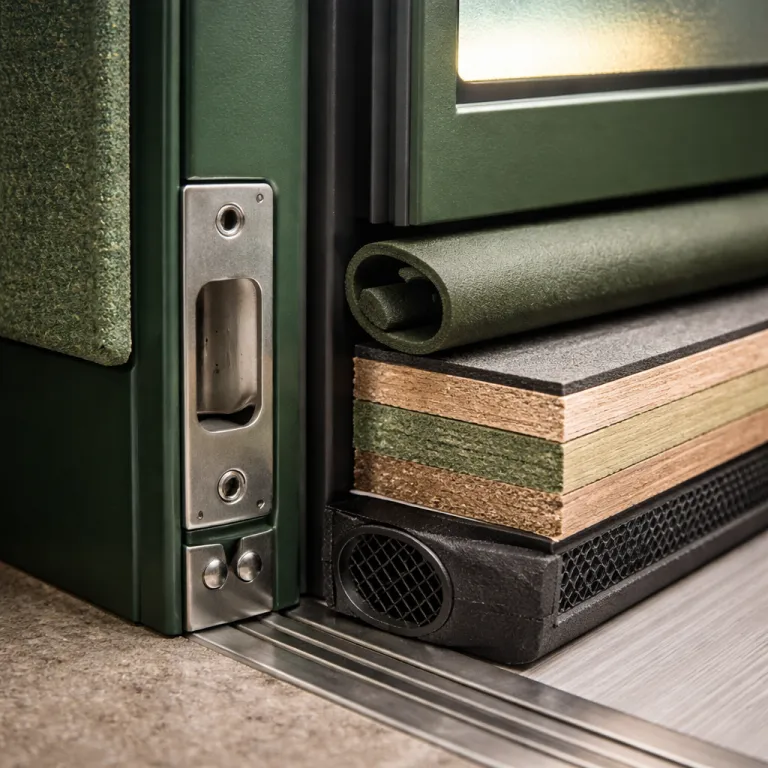
Once the garage door closes, the outside world is gone and the private time of your stay begins. A short internal staircase or lift connects the garage directly to the room, so guests move vertically rather than back into any corridor, which is a crucial detail in the privacy engineering of love motels. For travelers who usually skip main lobby theatrics in favor of express check-in, this system offers something more radical: a complete absence of lobby altogether, a no-face-contact arrival that has become a hallmark of Brazilian love motel design.
The best examples in São Paulo show how a simple motel typology has evolved into a sophisticated privacy machine. Here, floor plans are drawn by architects who think in sightlines, sound paths, and service routes, not just in bed sizes and minibar placement. Designers who specialize in this niche hospitality segment have quietly shaped how Brazilian ideas of love and discretion intersect in concrete and steel, and their work has been analyzed in Brazilian architectural journals and in international reporting on the country’s motel culture.
In these properties, the garage is not an afterthought but the first room in the sequence. It is tall enough for SUVs and vans, sometimes with a subtle curve so license plates are never visible from the street, and its finishes echo the palette upstairs, which signals that the experience begins the moment the door slides shut. For an executive extending a work trip, this is where a functional roadside stop becomes a considered hotel alternative, and where the garage-to-suite concept starts to feel like a deliberate design choice rather than a quirk of local culture, especially in private-suite motels in São Paulo and Rio de Janeiro that now market themselves to international guests.
Inside the room: engineered intimacy and themed design for adults
Step up from the garage and the room opens like a stage set. In the most ambitious love motels, the main content of the experience is not the hourly rate but the way architecture, lighting, and themed decor turn a simple room into a suite that feels tailored to adult play rather than generic overnight rest. For travelers used to design-led hotels, this is where Brazilian love motel interiors become unexpectedly sophisticated and start to resemble boutique hotel suites more than conventional roadside rooms.
Themed rooms in motels Brazil wide range from restrained contemporary spaces to unapologetically theatrical environments with dancing poles, sex chairs, and mirrored ceilings that would look at home in a film set. For some guests, pole dancing platforms and sculptural furniture are part of the fantasy; for others, they are simply curiosities in a well soundproofed room that still offers a high-quality mattress, strong shower, and reliable Wi-Fi. Either way, the architecture is doing quiet work in the background, with thick walls, acoustic doors, and carefully placed ventilation so that sex, conversation, or music never leaks into the next suite, a level of control that many conventional hotels struggle to match.
Designers often collaborate with an art director or interior stylist to ensure that even the most playful themes feel intentional rather than kitsch. In some São Paulo properties, a creative lead might shape a series of rooms inspired by cinema, while a photographer’s eye could influence how lighting flatters skin tones and how a photograph would read from every angle. These narrative roles echo the real-world work of photographer Jur Oster and art director Vera van Sandt, whose long-term collaboration has documented Brazilian love motel interiors and the way guests move through them, even if the specific characters mentioned here function more as creative archetypes than as on-site staff.
For readers interested in immersive themed stays beyond Brazil, the same design intelligence appears in Japanese and global properties featured in guides to unique themed love hotels and immersive stays for discerning travelers on specialist platforms. Yet the Brazilian model remains distinct because the theme is always layered over a base plan that prioritizes the garage-to-room connection and the absence of corridors. The result is that even the most exuberant suite still feels private, controlled, and surprisingly calm once the door closes, a quality that photographers like Jur Oster often highlight when they frame the contrast between theatrical decor and quiet, sealed architecture.
From a booking perspective, this means you can choose between rooms that lean into spectacle and rooms that feel closer to a minimalist hotel, while still benefiting from the same privacy architecture. Executives extending a stay in São Paulo or Rio de Janeiro often opt for higher-category suites with generous work surfaces and better sound systems, using the space as a hybrid office and retreat. In every case, the underlying motel layout and circulation logic underpin the experience, ensuring that the theatrics of the interior never compromise the discretion of the overall stay, and that the love motel functions as both a private retreat and a practical base.
Service without faces: hatches, routes, and the choreography of staff
Once you are inside the room, the most striking aspect of Brazilian love motel design is how service appears without people. Walls conceal a network of service hatches, back-of-house corridors, and staff circulation routes that allow food, drinks, and amenities to reach guests with zero visual contact. This is not a gimmick; it is the operational backbone that allows thousands of love motels across Brazil to function at scale while promising near total anonymity, a system often described in local trade publications as the “no-face service hatch” model.
In practice, the flow is simple for guests and complex for staff. You pick up the phone or use an in-room interface to order from a menu that ranges from champagne to late-night comfort food, then wait as a silent indicator light signals that your order has arrived in the private hatch built into the wall. Open the inner door, collect your tray, and close it again; the staff member on the other side never sees you, and you never see them, which is a defining feature of this privacy-first operating model and a key reason why many guests describe these motels as more discreet than a standard hotel.
Soundproofing is as critical here as in the main room. Service corridors are acoustically isolated, and the hatches are gasketed so that even a conversation between staff members does not filter into the suite, which matters when guests are using dancing poles, experimenting with sex chairs, or simply talking late into the night. In Rio de Janeiro, some of the most refined motels Brazil offers have taken cues from Japanese love hotel systems, where panel-based check-in and no-face-contact payment have long been standard, yet the Brazilian version leans more on architecture than on screens and keeps the focus on the physical layout of rooms and routes.
For travelers curious about how other cultures handle privacy in adaptive reuse projects, it is worth looking at properties where historic structures have been transformed into intimate retreats, such as a former prison in Nara reimagined as a 48-suite retreat, which shows another way architecture can choreograph movement and seclusion. Back in Brazil, the same design intelligence appears in the way staff routes never cross guest routes, and in how garages connect to vertical service shafts that allow housekeeping to refresh rooms between stays without ever entering from the same level as the guests. This is privacy solved through engineering, not through an app, and it has been noted in international coverage by outlets like Bloomberg, Fast Company, and Hyperallergic that map how these buildings actually work.
In cities like Rio de Janeiro, guides to hidden motels where carnival design lives year-round often focus on color and spectacle, but the real story for business-leisure travelers is the reliability of this invisible service choreography. Whether you are staying in a compact room or a large suite with mirrored ceilings and pole-dancing platforms, the promise is the same: you will arrive, stay, and leave without needing to interact with anyone unless you choose to. For many guests, that level of control over contact is as luxurious as any thread count or amenity brand, and it is one of the reasons Brazilian love motels are increasingly framed as a distinct hospitality category rather than a curiosity.
Cultural context: why Brazilian privacy architecture grew from everyday life
The Brazilian love motel system did not emerge from a design laboratory. It grew from the realities of Brazilian urban life, where multi-generational households, thin walls, and dense neighborhoods often leave little space for private intimacy at home. When couples needed somewhere to be alone, the motel became a pragmatic solution that gradually evolved into a distinct architectural culture, with the drive-in garage and private staircase becoming as recognizable as any hotel lobby.
Over time, what began as simple roadside motels Brazil wide adapted to the expectations of a more design-literate clientele. As Brazilian love motels multiplied, especially around São Paulo and Rio de Janeiro, architects refined the garage-to-room typology, adding better soundproofing, more generous bathrooms, and themed interiors that acknowledged sex as part of adult leisure without reducing the experience to pure titillation. The result is a hospitality format where love, privacy, and architecture are openly linked, yet handled with a certain matter-of-fact elegance that local guests recognize from everyday life.
For many local guests, the appeal is as much about anonymity as about fantasy. In close-knit communities, being seen entering a love motel with someone who is not your partner can have social consequences, but so can simply being seen exploring your sexuality in a culture that still carries pockets of conservatism. The Brazilian drive-in model answers this with a system where you drive in, reach your room, and leave without being seen, which has been documented by outlets such as Bloomberg, Fast Company, and Hyperallergic in articles that combine data on the number of motels with on-the-ground reporting from São Paulo and Rio de Janeiro.
International travelers sometimes arrive with preconceptions shaped by cinema or by Japanese love hotel imagery, where vending-machine-style check-in and elaborate themes dominate the narrative. In Brazil, the emphasis is different; the garage, the private staircase, and the service hatch are the main characters, while mirrored ceilings, dancing poles, and sex chairs are optional extras layered on top. This is why many executives who would never consider a roadside motel in their home country are comfortable booking a high-end love motel in São Paulo as a discreet alternative to a conventional hotel, often describing the experience as closer to a private apartment with hotel services than to a traditional inn.
As some properties convert into more traditional hotels or add longer-stay options, the core privacy architecture often remains. A former love motel might soften its themes, reduce explicit references to sex, and market itself more broadly, yet still keep the garage-to-room connection and the no-face-contact service model that made it successful. For travelers, understanding this cultural and architectural lineage helps reframe Brazilian love motel stays not as curiosities, but as a mature response to everyday needs around intimacy, discretion, and time away from the collective household, and as a distinct branch of Brazilian hospitality design.
How to choose: reading floor plans, themes, and privacy details when booking
For readers using a luxury and premium booking website to select a Brazilian love motel, the key is to read between the lines of the listing. Look for explicit mention of a private garage directly connected to the room, which signals that the property follows the classic drive-in-to-suite model rather than a simple motor inn with shared corridors. If you are extending a business trip, prioritize motels that describe soundproofing, work surfaces, and reliable Wi-Fi alongside more playful amenities, and that show schematic floor-plan snapshots or diagrams of the garage-to-room connection.
Room descriptions often reveal how seriously a property takes both design and discretion. A basic motel may simply list bed size and television channels, while a more considered hotel-style love motel will detail the presence of mirrored ceilings, dancing poles, or sex chairs, as well as the layout of the suite and any separation between sleeping, bathing, and lounging zones. For executives who might host a private meeting before transitioning into leisure mode, a suite with a clear division between a sitting area and the more explicitly erotic elements can be particularly useful, especially in larger rooms where the plan reads almost like a compact apartment.
When browsing photos, pay attention to the garage itself. High-quality properties often show a clean, well-lit garage with direct access to an internal staircase, which indicates that the privacy engineering extends to arrival and departure, not just to what happens inside the room. If the listing mentions service hatches, no-face-contact check-in, or dedicated staff routes, you can expect a level of operational sophistication closer to that of a design-forward hotel than to a roadside stop, and closer to the privacy standards described in international reporting on Brazilian love motels.
Some booking platforms now allow you to filter for love motels with specific themes, from minimalist urban suites to more theatrical spaces that lean into Brazilian love culture with bold colors and statement furniture. Use these filters to align the mood of the room with the purpose of your stay; a compact, neutral room may suit a quick overnight after meetings in São Paulo, while a larger suite with a pole-dancing platform and generous bathroom might be ideal for a longer leisure-focused stay with a partner. Always check whether the rate structure is hourly, nightly, or flexible, as this can influence how you plan your schedule and how you use the time between arrival and departure.
Finally, remember that the most successful motels Brazil wide are those that treat privacy as a form of luxury rather than as a cover for secrecy. When a property invests in architecture, soundproofing, and thoughtful service design, the result is a stay where you feel in control of your environment from garage to room to departure. For discerning travelers, that level of control can be as compelling as any rooftop bar or spa, and it is the reason why this Brazilian privacy-focused motel model continues to attract guests who might otherwise default to conventional hotels, especially in major hubs like São Paulo and Rio de Janeiro.
FAQ
Why are love motels popular in Brazil?
Love motels are popular in Brazil because many urban homes offer limited privacy, with several generations often sharing relatively small apartments. Couples seek discreet spaces where they can be alone without family members nearby, and the Brazilian drive-in garage system answers that need. The combination of private garages, direct room access, and anonymous service makes these properties a practical and culturally accepted solution, as noted in both local reporting and international coverage.
What amenities do Brazilian love motels typically offer?
Brazilian love motels usually provide private garages, themed rooms, and strong sound systems as standard. Many add erotic channels, mirrored ceilings, dancing poles, and sex chairs, especially in higher-category suites designed for more immersive experiences. At the premium end, you can also expect high-quality bedding, generous bathrooms, and reliable Wi-Fi comparable to an upscale hotel, along with carefully designed lighting that flatters skin tones in photographs.
How does the garage-to-room system protect guest privacy?
The garage-to-room system protects privacy by eliminating shared public spaces from the guest journey. You drive directly into a private garage, close the door, and use an internal staircase or lift to reach your room without passing a lobby or corridor. Service hatches and back-of-house routes allow staff to deliver items and clean rooms without ever seeing or being seen by guests, creating a level of anonymity that has become a defining feature of Brazilian love motel architecture.
Are Brazilian love motels suitable for business travelers?
Many higher-end Brazilian love motels are suitable for business travelers who value discretion and flexible check-in times. Premium suites often include work surfaces, strong Wi-Fi, and soundproofing that make them practical for calls or laptop work between meetings. Executives extending a stay into leisure time may appreciate the combination of hotel-level comfort and the privacy engineering of this garage-to-suite model, especially in São Paulo and Rio de Janeiro where traffic and long days make flexible arrival times valuable.
How many motels in Brazil use this privacy-focused architecture?
Across Brazil, industry sources and municipal data cited by outlets such as Bloomberg, Fast Company, and Hyperallergic estimate that several thousand motels operate with some version of the garage-to-room privacy system. This scale shows that the model is not a niche curiosity but a mainstream hospitality format embedded in Brazilian urban life. For travelers, it means that in most major cities you can find at least a few properties that offer this specific blend of privacy, themed design, and flexible stay durations.
Expert sources
Why are love motels popular in Brazil? Due to limited privacy at home, couples seek private spaces, a pattern documented in Brazilian media and in international coverage by Bloomberg, Fast Company, and Hyperallergic. What amenities do Brazilian love motels offer? Private garages, themed rooms, sound systems, erotic channels, and in many cases suites with dancing poles, sex chairs, and mirrored ceilings. How does the architecture work? A direct garage-to-room connection, strong soundproofing, and no-face-contact service routes create a discreet, hotel-level experience that has been analyzed by photographers such as Jur Oster and art directors like Vera van Sandt in long-term visual studies of Brazilian love motels.