How to use a love hotel in Japan for the first time
Understanding how to use a love hotel in Japan for the first time starts long before you step into the lobby. In dense districts of Tokyo where private apartments are tiny, these hotels offer discreet, design focused rooms that feel closer to a private lounge than to regular hotels. For many people, the first stay is less about scandal and more about experiencing a very Japanese love culture of privacy, efficiency, and quiet hospitality.
Across Japan there are tens of thousands of love hotels, and hotels in Tokyo alone range from neon clad towers in Shibuya to calmer addresses near Ikebukuro Station. Rates for a short rest or full overnight stays are clearly displayed, and prices vary by hotel category, room size, and whether you arrive at peak time. Compared with some hotels expensive in central Tokyo, a well chosen love hotel room adults only can be a smart, stylish deal for couples or a solo guest who values privacy.
When you research how to use a love hotel in Japan for the first time, focus on three things ; location, room style, and policies. Look for hotels offer clear English signage or intuitive icons on their panels, especially if you are nervous about your first time. A curated guide love from a specialist site can help you will find the best love addresses where hotels love design, cleanliness, and discretion as much as you do.
From street to suite: step by step inside a Tokyo love hotel
The choreography of entering a love hotel in Tokyo is designed to be almost wordless. You walk from the street into a small lobby where a wall panel or touchscreen shows each available hotel room with a backlit photo, size, and rates for rest or stay. Newer hotels in Tokyo use touchscreens while older properties still rely on illuminated photo displays, but the logic is the same ; you tap or press the room you want, and the system locks it for you.
For a first time guest wondering how to use a love hotel in Japan for the first time, the key is to pause and check the symbols. A lit photo means the room is free, a darkened one means it is occupied, and some hotels offer both themed rooms and calmer, more minimal rooms on the same floor. In many hotels Tokyo wide, you will find two prices beside each image ; a lower rate for a two or three hour rest, and a higher one for overnight stays that usually begin after late evening.
Once you select your room, either a discreet receptionist or an automated voice will guide you to the lift. Payment systems vary by hotel ; some ask you to pay at a machine near the exit, others handle everything through a small hatch so staff and couples never meet face to face. This is where a luxury focused booking platform earns its keep, because it can explain in advance whether a hotel love property uses full automation, partial service, or a more traditional front desk with Love Hotel Staff acting as a low key Receptionist.
Understanding rates, rest versus stay, and how to book well
Pricing is one of the most misunderstood parts of how to use a love hotel in Japan for the first time. Every hotel in Japan that caters to couples will usually publish two main rate types ; a short rest of around two to three hours, and a longer stay that covers the full night. Across Japan the average cost for a rest period sits around 5 000 yen, while a typical overnight stay is closer to 10 000 yen, which often undercuts many regular hotels in central districts.
In practice, rates vary by hotel and by time of day, especially in busy areas like Shibuya or Kabukicho where things Tokyo never really sleep. A Shibuya address with dramatic tokyo love themed suites and spa style bathrooms will charge more than a compact Ikebukuro property that focuses on value and clean, efficient rooms. When you compare hotels Tokyo wide, a careful deal check on a premium booking site lets you filter by room adults only categories, late check in windows, and whether the hotels offer online reservations or prefer walk in guests.
For first timers, it is wise to book in advance if you plan an overnight stay on a weekend or during holidays. Many love hotels still welcome spontaneous arrivals, yet increased online booking options mean the best love rooms can fill quickly. A specialist guide love platform will not only show live rates but also clarify age restrictions, because all Japanese love hotels are strictly for guests over eighteen, and some do not accept solo travelers even though others explicitly welcome them.
Inside the room: amenities, design, and what you can actually take
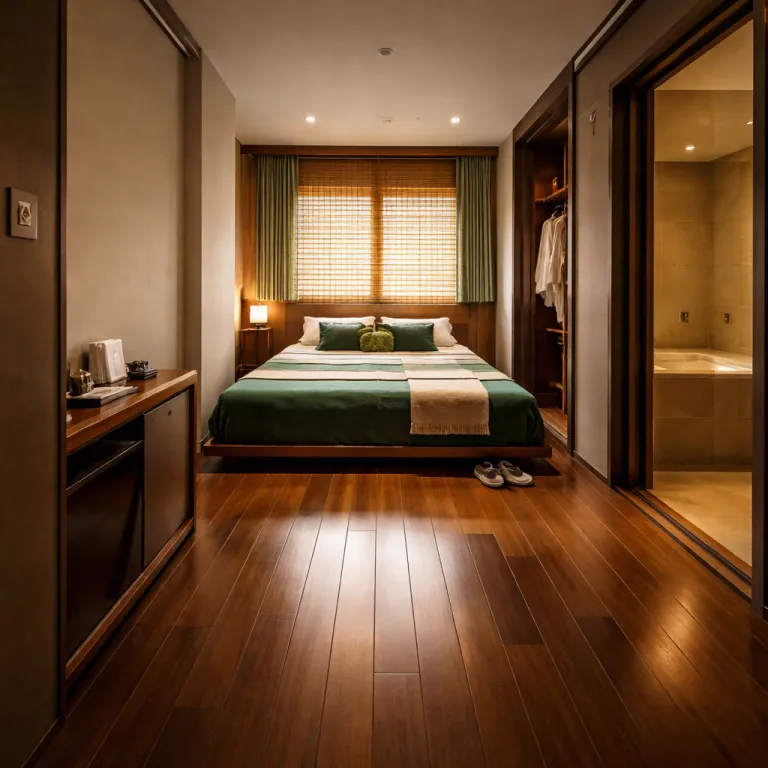
Opening the door to your first Japanese love hotel room can feel like stepping onto a private set. Some rooms lean into playful tokyo love fantasies with LED constellations, karaoke systems, and deep soaking baths, while others echo minimalist Japanese design with low beds, soft lighting, and carefully chosen textures. Either way, you will find that most hotels offer a level of amenity density that regular hotels rarely match at the same price point.
Standard inclusions usually cover full size toiletries, hairdryers, robes, slippers, and an impressive line up of entertainment systems from on demand films to gaming consoles. Many hotels love to add thoughtful extras such as phone chargers, beauty tools, and vending machines in the corridor where couples and solo guests can quietly buy drinks or amenities without speaking to staff. For people exploring how to use a love hotel in Japan for the first time, this attention to privacy engineering is often the most striking difference from conventional hotels expensive in similar locations.
One practical question always arises ; what can a guest legitimately take home. Single use items such as toothbrushes, combs, and small amenity sachets are usually fine, while larger products, hair tools, and décor clearly stay in the room. When in doubt, check the in room information card or use the intercom to ask Love Hotel Staff, because they manage check in and check out processes and prefer that guests feel at ease rather than anxious about small details.
Etiquette, safety, and unlearning the myths about Japanese love hotels
For many international people, the phrase love hotel still carries a slightly scandalous charge. The reality in Japan is more pragmatic ; these hotels exist because urban apartments are small, walls are thin, and couples of all ages need private space. Safety and discretion sit at the core of the concept, which is why corridors are quiet, staff interactions are minimal, and payment systems are often automated.
Three common questions surface whenever travelers research how to use a love hotel in Japan for the first time. The first is whether solo travelers are allowed, and the answer from local guidance is clear ; “Some hotels allow solo guests; policies vary.” The second is about safety, and official advice is equally direct ; “Are love hotels safe for tourists? Yes, they prioritize guest safety and privacy.”
The third question concerns reservations, especially in busy parts of Tokyo where hotels Tokyo wide can fill quickly on weekends. Here again, local experts state ; “Do love hotels require reservations? Walk-ins are common; reservations ensure availability.” For etiquette, keep noise low, avoid lingering in corridors, and respect that these are room adults only spaces designed for intimacy, whether that means couples on a date night, a solo explorer seeking quiet, or friends needing a private base after late night things Tokyo like concerts or clubbing.
Choosing the right district and when a love hotel simply makes sense
Location shapes the entire experience when you decide how to use a love hotel in Japan for the first time. Shibuya tends to suit design conscious couples who want modern architecture, polished service, and easy access to late night dining, while Kabukicho in Shinjuku offers a dense mix of properties from simple to extravagant. Ikebukuro often delivers the best balance between price and quality, with many hotels offer generous overnight stays at rates that undercut nearby regular hotels by a comfortable margin.
For travelers connecting through airports or arriving late on domestic trains, a love hotel can be a pragmatic choice rather than a romantic one. Privacy, flexible check in times, and strong soundproofing make these hotels love havens for jet lagged guests who simply want a dark, quiet room and a hot bath. If you appreciate seamless logistics, you might also be interested in an elegant airport focused stay such as those highlighted in this guide to refined hotels with efficient shuttle services, which shows how thoughtful transport links can elevate even a short stopover.
Within Tokyo, a curated platform that specialises in Japanese love properties will help you will find the right match for your style and budget. Some hotels Tokyo side lean into dramatic themes, others feel like calm urban retreats, and the best love addresses manage to be both playful and deeply comfortable. For a first time guest, reading detailed photo rich reviews and doing a quick deal check on late night rates can turn a nervous experiment into a confident, well planned stay that feels entirely your own.
Practical tips for first timers: from language barriers to check out
Language is often the final concern for travelers learning how to use a love hotel in Japan for the first time. The good news is that the entire system is engineered so that even guests who do not speak Japanese can navigate it with ease. Visual panels, clear icons, and numbered rooms mean you rarely need more than a nod and a smile to complete your stay.
Before you arrive, take screenshots of the hotel façade and lobby panel so you can match the photo to reality without hesitation. When you enter, move slowly, check the room images, and confirm whether the displayed rates are for rest or stay, because prices can vary by hotel and by time slot. If anything feels unclear, use the intercom to contact staff, who are trained to protect anonymity and will guide you through payment, whether that happens at a machine, a small window, or a compact front desk.
On departure, most hotels love a swift, discreet exit ; you settle the bill, drop the key, and step straight back into the city. For couples or solo travelers catching an early train, this efficiency can be the best part of the experience. With a little preparation, a reliable guide love resource, and a willingness to embrace a uniquely Japanese love hospitality concept, your first hotel love stay in Tokyo or elsewhere in Japan will feel less like a mystery and more like a quietly luxurious urban ritual.
Key figures about Japanese love hotels and guest stays
- Japan hosts an estimated 37 000 love hotels across the country, a scale that reflects how deeply the love hotel culture is woven into everyday urban life for couples who lack private space at home (Japan Guide, recent estimates).
- The average cost for a short rest period in a Japanese love hotel is around 5 000 yen, which often compares favourably with daytime rates at regular hotels in central Tokyo while offering far more in room amenities (Japan Guide, pricing overview).
- Typical overnight stays in Japanese love hotels cost about 10 000 yen per night, making them a competitive option for budget conscious travelers who still want privacy, large beds, and generous bathrooms in dense city districts (Japan Guide, accommodation data).
- Check in for overnight stays usually begins around late evening, while daytime rest periods of one to three hours dominate earlier time slots, allowing hotels to maximise occupancy without compromising guest discretion (compiled from multiple Japan focused travel guides).
FAQ: how to use a Japanese love hotel for the first time
Can solo travelers use Japanese love hotels
Some Japanese love hotels accept solo guests, while others restrict access to couples only. Policies vary by hotel and sometimes even by day of the week, so always check the rules on a booking platform or the property website before you go. If you arrive as a solo guest without checking, you may be politely refused and asked to find alternative accommodation.
Are Japanese love hotels safe for international tourists
Love hotels in Japan are generally very safe for international travelers. Properties prioritise guest privacy with secure lifts, discreet corridors, and limited staff contact, and many use automated payment systems to reduce queues and exposure. As with any hotel, choose well reviewed addresses in established districts such as Shibuya, Shinjuku, or Ikebukuro for extra peace of mind.
Do I need a reservation or can I just walk in
Walk ins remain common at many love hotels, especially for daytime rest plans. However, reservations are increasingly available online and are recommended for overnight stays on weekends or during busy travel periods. Booking ahead also lets you compare room types, check rates, and secure a specific design or amenity set that suits your stay.
What is the difference between rest and stay rates
Rest rates cover short visits, usually between one and three hours, and are priced lower than full night stays. Stay rates apply to overnight stays and typically begin after a set evening time, with check out the following morning. For first time guests, it is essential to read the panel carefully so you do not accidentally pay for a rest when you actually need a full night.
Can non couples or friends use a love hotel just to sleep
Policies differ, but some love hotels allow two friends or even small groups to share a room simply as a convenient place to sleep. Others insist on couples only, so always verify the rules before arriving. When permitted, this can be a cost effective alternative to regular hotels, especially after late night events when standard check in desks are closed.