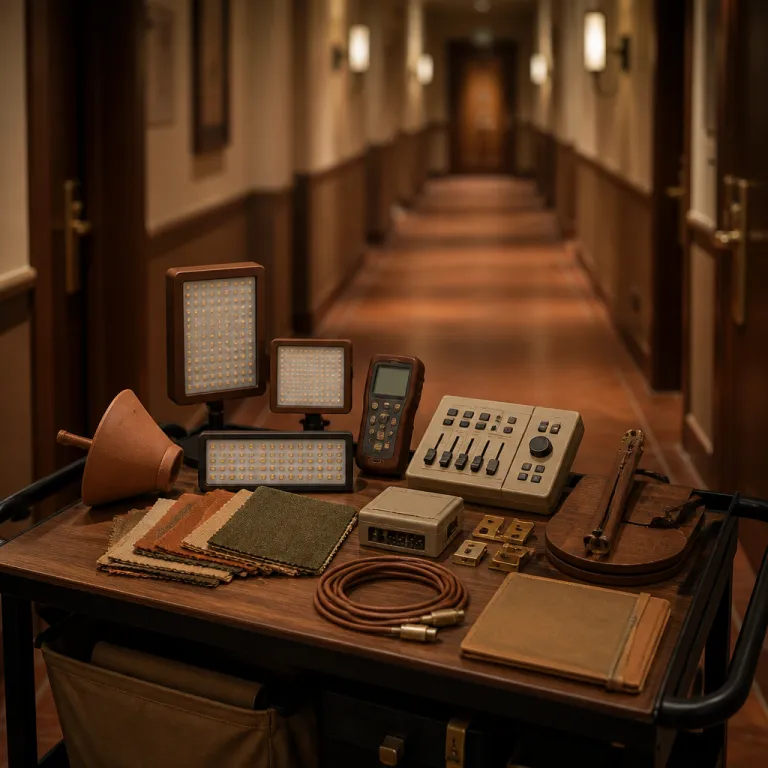
The daylight bias in hotel rooms and what love hotels solved first
Most luxury hotel rooms are drawn, rendered, and signed off in daylight. When the same spaces shift into the period between 6 PM and 6 AM, the lighting often flattens the design and erodes comfort. Love hotels, conceived for the night from the first sketch, treat hotel night lighting design and after dark architecture as the primary brief rather than a late technical package.
In conventional hospitality projects, architects obsess over views, glazing, and daytime perception of space, then bolt on fixtures and systems once the floor plan is frozen. That daylight bias explains why so many premium rooms feel clinical after dark, with ceiling lights that glare, shadows that distort architectural details, and a lack of visual comfort for guests who want intimacy rather than interrogation. Designers of nocturnal hotels in Tokyo and Osaka often invert the process, starting with lighting design and asking how people will move, touch, and feel in low level environments where natural light never leads the choreography.
Specialist lighting consultants working with these properties use layered hospitality lighting to create depth, comfort, and comfort safety without sacrificing sensual drama. They combine warm LED lighting at around 2700 Kelvin with precise lighting controls, allowing visitors to slide from arrival brightness to a night mode that lets the bed, headboard, and textured materials glow while circulation paths remain legible. As the Illuminating Engineering Society (IES) notes in its Lighting for Hospitality guidance (IES G-1-16), warm lighting in the 2700–3000K range “creates a cozy and relaxing atmosphere” for guest rooms.
For people booking through a luxury and premium platform, this difference in lighting strategy is not academic. It directly shapes guest experience, from how you feel when you first open the door to how easily you can read a menu or adjust systems without waking a partner. When you scan reviews, look for mentions of good lighting, dimmers, and multiple lights rather than a single central fixture, because those clues signal a property that treats night focused lighting architecture as seriously as its daytime photography.
Neon, signage, and the city as a glowing wayfinding system

Walk through a Japanese love hotel district after dark and the street itself becomes a piece of architectural lighting. Facades, canopies, and vertical signs use light as both branding and navigation, turning dense urban spaces into legible environments where people can read offers, prices, and room types from a distance. Those illuminated room selection panels in lobbies and entrances are not kitsch; they are a refined lighting solution for wayfinding when the city is at its brightest and the sky is black.
In New York or Seoul, you see the same logic expressed differently, with neon, LED lighting strips, and projected graphics acting as a continuous outdoor lighting strategy. The signage systems are calibrated for visual comfort, using moderate contrast and carefully tuned color temperatures so that guests can identify entrances without being blinded at the threshold. This is hotel night lighting at the scale of the street, where lights provide both information and atmosphere in one integrated system.
For visitors who care about privacy architecture as much as spectacle, the best love hotels pair this luminous urban theatre with discreet circulation. Properties that invest in soundproofing, automated check in, and visual barriers usually extend the same thinking to hospitality lighting in corridors and parking, using low level fixtures and dynamic lighting scenes to protect anonymity while maintaining comfort safety. When you evaluate a listing, look for photography that shows how outdoor space, ramps, and entrances are lit, then cross check with detailed privacy focused reviews such as those in our guide to soundproofing and visual barriers in hotel privacy architecture.
Social media has amplified this nocturnal cityscape, rewarding properties whose lighting create memorable silhouettes and reflections without tipping into harsh glare. The most sophisticated operators understand that every pool of light, every glowing stair, and every backlit façade becomes content, so they treat lighting energy budgets as design tools rather than constraints. For travelers, that means the streets around a love hotel can feel like an extension of the lobby, with spaces that guide you intuitively from the public realm to the sanctuary of your room.
Reflective materials, low level light, and the sensual room envelope

Inside the room, love hotels use reflective materials as active partners in lighting design rather than passive finishes. Brass trims, veined marble, mirrored panels, and curved glass are chosen for how they behave under low level lights between 6 PM and 6 AM, not just for how they photograph at noon. When these surfaces meet warm LED lighting and carefully positioned fixtures, they create a layered visual field where guests feel wrapped in a soft glow rather than pinned under a spotlight.
In a well considered suite, the bed wall might use ribbed timber or pleated fabric to catch grazing light, while a marble vanity reflects a subtle halo from concealed strips that never hit the eye directly. This approach to architectural details turns every junction into a chance to modulate perception of space, so that rooms feel deeper, taller, or more intimate depending on the lighting strategy selected on the control panel. For partners planning a proposal or milestone celebration, these environments can be more emotionally resonant than any floral package, which is why we often recommend pairing a strong lighting concept with curated services such as the luxury proposal ideas featured in our guide to elevating your marriage proposal with tailored hotel experiences.
Good lighting in these rooms is rarely about brightness; it is about hierarchy. Low level sources under the bed, behind the headboard, or beneath a freestanding tub provide comfort safety and orientation without breaking the mood, while accent lights pick out art or sculptural furniture to anchor the composition. When nocturnal hotel lighting is handled with this level of care, guests experience a kind of visual comfort that encourages slower movement, quieter conversations, and a more attentive connection with each other.
From a practical standpoint, travelers should scan room photos for clues about how lighting solutions are integrated into joinery and ceilings. Look for multiple layers of hospitality lighting rather than a single downlight grid, and notice whether materials near the bed and bath are matte or glossy, because that will change how lights reflect on skin and fabrics. Properties that understand these nuances tend to provide more intuitive lighting controls, allowing people to create their own balance between drama and rest throughout the night.
Circadian systems and the quiet choreography between 6 PM and 6 AM
While classic love hotels lean into theatrical lighting, a growing group of luxury properties now blends sensuality with wellness through circadian systems. These systems adjust color temperature and intensity across the period from 6 PM to 6 AM, supporting natural sleep cycles while still allowing for rich, moody environments when guests first arrive. In practice, that means warm light in the evening, deeper dimming during the night, and a gentle shift toward cooler tones as wake up time approaches.
Technical guidance from hospitality specialists suggests that around 2700 Kelvin in the guest room is optimal for relaxation, with lobby levels near 200 lux to balance welcome and orientation. The International Commission on Illumination (CIE S 026/E:2018) and IES both recommend keeping late night corridor lighting below typical office levels to protect circadian rhythms while preserving safety. Love hotels that adopt this thinking treat lighting energy as a resource to be sculpted, using dynamic lighting scenes that respond to time, occupancy, and even guest preferences captured through apps or in room tablets. The result is a hotel night lighting design and after dark architecture that respects both romance and circadian health, rather than forcing people to choose between atmosphere and rest.
For people booking through a premium platform, the presence of circadian lighting design is a strong indicator of overall design literacy. It signals that the property has invested in integrated systems, from LED lighting and dimmable fixtures to centralized lighting controls that can shift the entire space with a single touch. When a hotel describes its guest experience in terms of “lighting scenes” or “night mode” rather than just “reading lights,” you can expect more thoughtful environments and fewer compromises between intimacy and functionality.
There is also a subtle psychological effect when spaces feel as if they are moving with you through the night. Corridors that dim after midnight, lobbies that soften once check in traffic fades, and spas that glow gently rather than blaze all contribute to a sense of being held by the building. Couples sensitive to sleep quality should prioritize properties that mention circadian systems, layered hospitality lighting, and dynamic lighting in their descriptions, because those cues usually align with better acoustics, better materials, and an overall commitment to guest comfort.
How to read photos and descriptions when booking a night focused stay
Most booking platforms still privilege daytime photography, which means you need to read between the pixels when choosing a property for a night centric stay. Start by looking for at least a few images shot after dark, ideally showing both the room and the outdoor approach, because those reveal how lighting create the real atmosphere you will inhabit. If every photo is flooded with daylight and there is no sign of dimmers, bedside fixtures, or low level lights, assume the lighting strategy was an afterthought.
Next, pay attention to how the hotel talks about its spaces and systems in the description. Phrases such as “layered lighting,” “architectural lighting,” “dynamic lighting,” and “circadian” are not marketing fluff; they indicate collaboration with professional lighting designers and serious investment in fixtures and controls. Cross reference that language with guest reviews that mention how people feel in the room at night, whether they can move safely without waking a partner, and whether the environments support both intimacy and basic tasks like reading or unpacking.
Specialist platforms focused on love hotels and design driven stays often go further, assessing how lighting interacts with privacy, acoustics, and circulation. On LoveHotelStay, for example, we look at how architectural details, materials, and lighting solutions work together, from the glow of a soaking tub to the way a corridor bends to shield sightlines, as in our review of a former prison reimagined as a serene retreat in Nara, available here: Hoshinoya’s transformation of a Meiji era prison into a 48 suite retreat in Nara. When hotel night lighting is assessed with this level of nuance, couples can choose properties that align with their own rituals, whether that means long baths, late room service, or simply eight hours of uninterrupted sleep.
Finally, remember that good lighting is not about spectacle alone; it is about how spaces feel over the full arc of the night. A room that looks dramatic on social media might be exhausting to inhabit if every surface glares and every switch is binary. Prioritize hotels that provide clear information about lighting controls, mention hospitality lighting as part of their design story, and show multiple moods in their imagery, because those are the places where the architecture truly comes alive between 6 PM and 6 AM.
What couples should look for in a true night mode room

When you arrive in a love hotel suite designed for the night, the difference is immediate. The entry sequence is softly lit, with low level guides along the floor or wall that provide comfort safety without forcing your eyes to adjust abruptly. Instead of a single ceiling light, you will see a family of fixtures, each tuned to a specific task or mood, from a narrow beam over the minibar to a diffuse glow behind the headboard.
A true night mode room lets you create multiple scenes without hunting for switches. Ideally, a single control panel or tablet manages all lighting controls, allowing you to shift from “arrival” to “bath” to “sleep” with one touch, while still letting you fine tune individual lights if you want to. This level of control reflects a mature lighting strategy, where hospitality lighting is treated as a core part of guest experience rather than a technical necessity.
Look closely at how the bathroom is lit, because that is where many otherwise strong designs fail after dark. You want a mix of vertical light at the mirror for grooming, soft indirect light for late night visits, and perhaps a separate, dimmable source near the tub or shower so that spaces feel calm rather than clinical. When architectural lighting is handled well here, people can move between sleep and bathing without jolting themselves awake, and guests feel that the environments are working with their bodies rather than against them.
Finally, consider how the room frames the outside world once the sun has gone. Blackout curtains, controlled reflections on glass, and carefully balanced interior lights prevent the space from turning into a mirror box where you see only your own reflection. In the best examples of hotel night lighting design and after dark architecture, the room becomes a cocoon that you can tune from theatrical to hushed, with lighting solutions that respect both intimacy and rest, leaving you more connected to your partner and less aware of the clock ticking toward 6 AM.
FAQ
Why is warm lighting preferred in hotel rooms at night?
Warm lighting is preferred in hotel rooms at night because it supports relaxation and reduces visual strain. As one expert guide from the IES notes, warm white light around 2700K “creates a cozy and relaxing atmosphere” in guest rooms. For couples, that warmth helps signal the body that it is time to unwind, which is essential in a hospitality context where sleep and intimacy share the same space.
How does lighting affect the overall guest experience in love hotels?
Lighting affects the overall guest experience in love hotels by shaping mood, privacy, and comfort safety from arrival to checkout. Proper lighting enhances comfort and atmosphere, influencing satisfaction, especially when guests can adjust scenes easily for different activities. When hotel night lighting is thoughtfully executed, people feel more at ease, more connected, and more willing to return.
What is layered lighting and why does it matter in a hotel room?
Layered lighting in a hotel room means combining ambient, task, and accent sources to create depth and flexibility. As lighting designer Kaoru Matsuura summarizes, “Layered lighting is the choreography of ambient, task, and accent light so guests can choose what they need, not endure what they are given.” In practice, that allows couples to read, bathe, or talk without relying on a single harsh ceiling light, which dramatically improves visual comfort and guest experience.
How can I tell from photos whether a hotel has good night lighting?
You can often tell whether a hotel has good night lighting by looking for images shot after dark that show multiple light sources and clear control points. Photos that reveal low level guides, backlit headboards, and dimmable fixtures usually indicate a serious lighting strategy. If every image is bright daylight with no sign of switches or scenes, the room may feel flat and uncomfortable at night.
Are smart or circadian lighting systems worth prioritizing when booking?
Smart or circadian lighting systems are worth prioritizing when you care about both romance and rest. These systems adjust color temperature and intensity through the night, supporting natural sleep while still allowing dramatic scenes when you want them. Hotels that invest in such systems typically show a broader commitment to design quality, from materials to acoustics, which benefits couples throughout their stay.