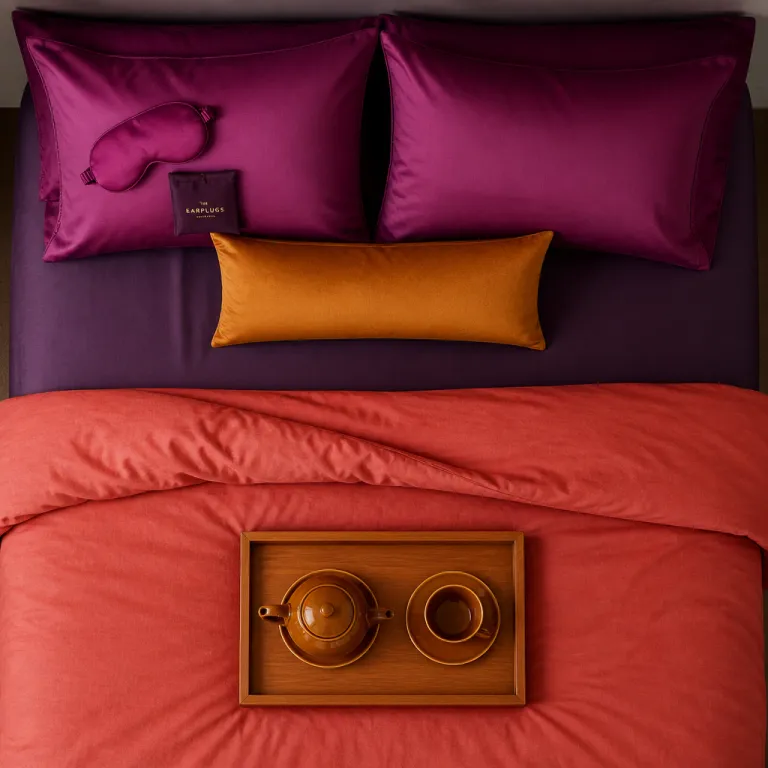
From themed fantasy to sleep lab: how love hotels anticipated restorative luxury
Restorative luxury in hotel design is no longer a scented candle and a spa menu. For frequent business and leisure travelers choosing a love hotel for a discreet stay, it now means a room engineered so that every surface, light source, and acoustic panel actively improves sleep and overall wellness. This shift turns the once playful love hotel room into a calibrated recovery sanctuary where guests can reset between meetings and late flights.
Japanese love hotels pioneered many of the design trends that now define modern wellness in grand hotel environments. Mood-adjustable lighting, deep sound isolation between rooms, and precisely controlled air conditioning were standard long before wellness tourism made circadian lighting and air purification fashionable in luxury hotels. Properties such as Hotel Public Jam in Osaka and Hotel Sara in Tokyo experimented early with themed rooms that also offered blackout blinds, oversized soaking tubs, and quiet HVAC systems, features that now appear in mainstream wellness-focused hotels.
The core philosophy of contemporary restorative luxury is simple yet radical. A hotel room is treated as a recovery machine where materials, proportions, and technology are chosen for physiological impact rather than Instagram drama. For travelers extending work trips into leisure, especially in dense urban districts where love hotels cluster, that means rooms designed to neutralize jet lag, mute city noise, and support deep sleep instead of merely providing theatrical décor. As sleep researcher Matthew Walker has noted, even a single night of poor sleep can impair cognitive performance, so a well-designed room becomes a strategic tool rather than a guilty pleasure.
The room as recovery machine: architecture that works while you sleep
In the most forward-thinking love hotels, the room itself now performs like a silent therapist. Circadian lighting systems shift color temperature through the day, often from cool 5,000–6,000K tones in the morning to warm 2,700–3,000K hues before bedtime, guiding your body toward sleep while the hotel spa or in-room massage become optional extras rather than the main wellness event. Acoustic engineering, double-layered doors, and insulated walls create quiet spaces that rival any spa resort, even when the property sits beside an elevated expressway or busy rail line.
Air purification integrated into the HVAC system, rather than a visible gadget, is becoming a defining marker of restorative luxury in hotel design. Smart sensors track humidity and temperature so that guests stay comfortable without touching a single control, typically maintaining a range of around 18–21°C and 40–60% relative humidity for optimal sleep comfort. Studies from organizations such as the American Academy of Sleep Medicine and the National Sleep Foundation link stable room temperature and low noise levels—often below 40 dB at the pillow—with better sleep efficiency, and love hotels with a history of climate-controlled micro-environments now influence the wider luxury segment by treating these metrics as design fundamentals rather than optional upgrades.
For travelers comparing a themed love hotel to a grand hotel with classic marble, the real question is no longer about hourly rates or mirrored ceilings. It is about which property offers rooms and suites where sleep quality is treated as a design KPI, not a side effect. Industry surveys from Skift and the Global Wellness Institute report that more than 60% of travelers now rank sleep quality as a primary factor when choosing accommodation, so questions such as “What is restorative luxury?” and “How do hotels implement restorative luxury?” are no longer abstract but practical checklists for choosing where to stay.
Invisible technology, tangible calm: when smart systems disappear into the walls
The most sophisticated expression of sleep-centered luxury hides its technology completely. In progressive love hotels, sleep monitoring sensors are embedded in the mattress base, feeding anonymized occupancy and pressure data to the building system rather than to an app on your phone, while steam showers and chromotherapy quietly support circulation and relaxation. Guests experience only a room that feels intuitively comfortable, with no need to navigate a tablet or decode a lighting interface after a late-night arrival.
Humidity control, air quality management, and subtle scent diffusion now sit behind the walls of many urban spa-resort-style love hotels. These properties use cutting-edge systems to maintain ideal conditions in rooms designed for both intimacy and recovery, ensuring that wellness is not confined to the spa but permeates every cubic metre of air. For business travelers, this invisible infrastructure matters more than a flashy hotel spa because it works continuously throughout the stay, whether they are on a call, asleep, or sharing the room with a partner.
Architects talk about holistic wellbeing when they describe this new generation of hotel design, where ancient principles of proportion meet modern engineering. Designers influenced by biophilic research from figures like Stefano Boeri and wellness consultants such as Delos integrate natural textures, controlled daylight, and low-EMF wiring into compact rooms that feel closer to euphoria-retreat-style sanctuaries than to traditional love hotels. The broader shift, explored in depth in recent wellness architecture case studies and post-occupancy evaluations, shows how love hotels are quietly becoming laboratories for the next wave of wellness tourism.
Materials, light, and touch: sensual design that serves sleep and wellbeing
Restorative luxury is as much about materials and tactility as it is about gadgets. In the best love hotels, soft natural textiles, warm timber, and stone with a gentle matte finish replace reflective plastics that once dominated themed rooms, creating spaces where the eye can rest and the nervous system can downshift. These materials are chosen not only for sensuality but for acoustic absorption, turning each room into a cocoon that supports deep sleep and emotional wellness.
Lighting is treated with similar precision, blending ancient ideas about firelight with modern LED control. Low-level, indirect fixtures wash walls rather than faces, while bedside controls allow guests to move from social brightness to sleep-ready darkness in seconds, a crucial feature when a guest’s stay might be short yet emotionally intense. In some hotels, steam showers, soaking tubs, and dedicated in-room massage zones are integrated into suites so that hydrotherapy and touch become part of a holistic wellbeing ritual rather than an add-on in a distant spa corridor.
For travelers interested in the environmental side of sleep-focused hotel design, material innovation is becoming a key differentiator. Properties experimenting with mycelium panels, algae-based plastics, and reclaimed composites are not only reducing impact but also improving acoustics and air quality in rooms designed for intimacy and rest. Research from the World Green Building Council and allied building-health organizations links low-VOC materials and natural finishes with better respiratory comfort, and these choices now shape both the sensuality and the serenity of a stay.
The executive love hotel stay: wellness travel for the business leisure generation
For the business-leisure executive, the love hotel has quietly become a strategic wellness travel tool. Instead of a conventional resort on the city fringe, they choose centrally located properties where check-in is frictionless, privacy is absolute, and the room functions as both meeting decompression chamber and sleep lab. In this context, restorative luxury is less about romance packages and more about ensuring that every guest’s stay ends with better cognitive performance the next morning.
Sleep scientists now consult directly with hotel designers to calibrate mattress density, pillow menus, and blackout strategies in these properties. Brands such as Westin with its Heavenly Bed and Hilton’s Five Feet to Fitness concept have shown how sleep-focused amenities can become signature features, and love hotels are adapting similar ideas in a more compact, urban format. Soundproofing materials, ergonomic furniture, and carefully tuned ventilation systems are deployed so that a short stay in a love hotel can rival a weekend at a coastal spa resort for recovery value, especially when time-poor executives cannot escape the city.
For travelers comparing options, the most effective strategy is to ask precise questions about wellness infrastructure rather than vague spa language. Look for hotels and resorts that describe their rooms and suites as wellness sanctuary environments, with integrated spa-style features such as steam showers, air purification, and lighting tuned for circadian rhythms. When a property can explain how its design supports holistic wellbeing, rather than simply listing amenities, you are likely looking at restorative luxury rather than marketing gloss.
FAQ
What is restorative luxury in a hotel context ?
Restorative luxury is a hotel design philosophy that treats the room as a tool for recovery rather than just a stylish backdrop. A hotel that embraces this approach uses architecture, materials, light, and acoustics to improve sleep, reduce stress, and support overall wellness throughout the stay. In the love hotel segment, this means rooms designed with sound isolation, circadian lighting, and spa-level features that quietly enhance wellbeing without demanding constant guest interaction.
How do hotels implement restorative luxury in practical terms ?
Hotels implement restorative luxury by integrating sleep science into every aspect of design, from the layout of rooms and suites to the choice of bedding and ventilation systems. They use soundproofing materials, ergonomic furniture, and advanced HVAC systems with air purification to create calm, healthy spaces that support deep sleep and holistic wellbeing. Many properties also add features such as steam showers, in-room massage zones, and digital detox options so that wellness is embedded in the room rather than confined to a separate spa.
Why are love hotels relevant to modern wellness travel ?
Love hotels are relevant because they have long experimented with mood lighting, privacy engineering, and climate-controlled rooms, all of which are now central to modern wellness travel. As restorative, sleep-centered hotel design becomes a mainstream expectation, these properties are adapting their playful heritage into more holistic wellness sanctuary concepts. For business-leisure travelers, a well-designed love hotel can offer both discretion and recovery-focused comfort in locations that are often more convenient than traditional resort-style properties.
What should I look for when booking a restorative luxury love hotel ?
When booking, focus on how the hotel describes its rooms designed for sleep and wellbeing rather than on generic spa language. Ask about soundproofing, blackout strategies, air purification, and whether lighting is tuned for circadian rhythms, as these details strongly influence sleep quality. Properties that can clearly explain their wellness architecture, rather than just listing amenities, are more likely to deliver a genuinely restorative guest stay.
Are restorative luxury features only available in high end grand hotels ?
Restorative luxury features began in high-end grand hotel and resort environments, but they are increasingly appearing in design-forward love hotels and compact urban properties. Many hotels now offer sleep-focused packages, enhanced bedding, and wellness-oriented rooms and suites without requiring guests to book a full spa resort experience. For travelers, this means that sleep and wellness-centered hotel design is becoming accessible across a wider range of properties, especially in cities where love hotels are reimagining their role as discreet wellness hubs.