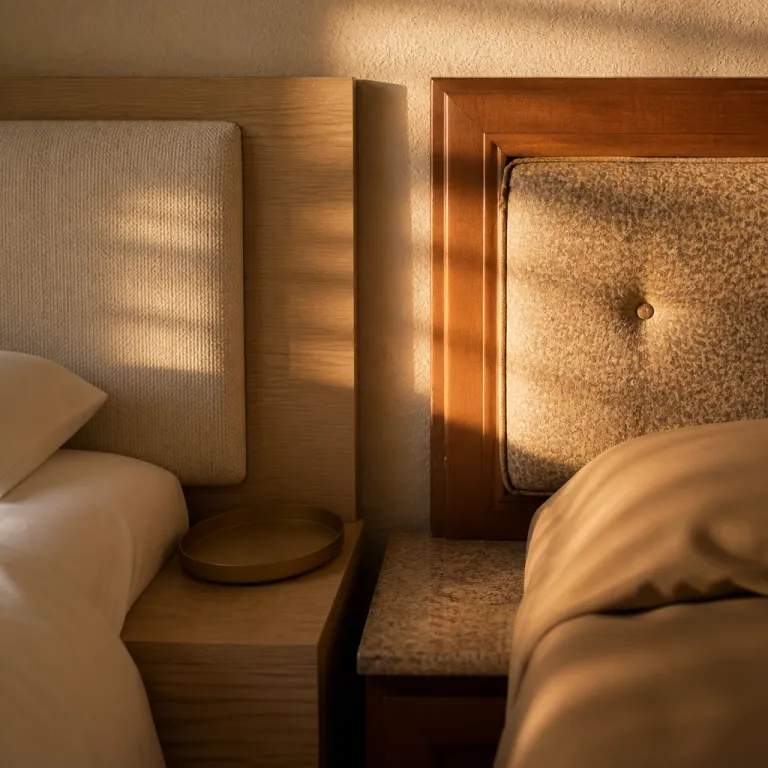
When peak summer rates test what design is really worth
Peak summer pricing is when a hotel quietly reveals whether its design is substance or stage set. As rates climb across cities and beach destinations, the idea of “peak summer design hotel value 2026” becomes shorthand for how well architecture, engineering, and service justify the premium for travelers and couples. In this season, the gap between a merely decorated hotel and a genuinely designed property widens with every extra euro or dollar on the bill.
Market data from European and North American booking platforms such as Booking.com and Expedia Group indicates that average prices in many hotels rise by roughly one third during the peak summer months, and this is when guests start to read the room with forensic attention. A decorated hotel might offer fresh paint, curated art, and new furniture, yet the walls still transmit corridor noise and the air conditioning struggles with the afternoon energy load from west-facing buildings. A true design-driven luxury hotel, by contrast, has invested in acoustic zoning, thermal performance, and spatial planning that keep rooms and suites calm even when the city outside is at full volume.
Pricing analysis from hospitality consultants including STR, HVS, and revenue management reports confirms that travelers are increasingly willing to pay more for design that improves sleep, privacy, and intimacy rather than just visual drama. One recent industry summary from STR’s 2024 summer outlook notes that the average price increase during peak season is around 30 %, while the percentage of travelers booking design-led hotels is estimated at roughly 20–25 %, and both figures are rising as couples seek the best balance between romance and engineering. For love hotels and summer luxury properties alike, this means that every elevated stay, from a quick escape to a week-long travel plan, must now defend its rate through measurable experience rather than mood lighting alone.
Rate spreads, real examples and why love hotels bend the rules
Look at how peak summer design hotel value 2026 plays out in real numbers and the story becomes sharper. In the Alps, Lürzerhof in Obertauern is reopening after a renovation reported at around ten million euros in Austrian press coverage, with rates on recent sample dates starting near one hundred ninety one euros per person, and here the renovation itself is the summer luxury selling point. Couples paying those rates are not just buying a room, they are buying a property whose spa buildings, circulation, and suites have been re-engineered for quiet, light, and privacy.
On the Atlantic, new hotels in the Hamptons show how far the spread can go between low and peak summer nights. Hotel Corduroy in Montauk, for example, moves on public booking calendars from roughly two hundred five dollars in shoulder season to almost one thousand dollars on high-demand weekends, while Faraway Sag Harbor climbs from the mid three hundreds to well above one thousand, and at those levels travelers rightly ask whether the best rooms truly deliver top luxury value or simply reflect calendar pressure. By contrast, Arthouse Glasgow opens with bed and breakfast rates that feel almost restrained for a design-led city stay, suggesting a strategy to build loyalty before chasing the highest summer deals.
Love hotels, especially in Tokyo, quietly challenge this seasonal logic and reshape how couples think about peak summer design hotel value 2026. Rate charts for properties in Shibuya and Shinjuku show that hourly prices in many of these hotels remain almost flat across the year, often varying by less than 10 %, which means guests evaluate luxury and design on the experience alone rather than on a festival weekend markup. For couples curious about this model, our guide to love hotels that welcome overnight guests shows how booking directly into a well-designed room can offer a more honest price-to-design ratio than some coastal beach hotel options.
What you are really paying for: design that survives scrutiny
When you weigh peak summer design hotel value 2026 for a romantic trip, focus on the invisible systems rather than the throw pillows. A hotel that has invested in acoustic zoning, double doors, and smart corridor layouts will feel calmer for couples and families even when the property is full and the city outside is loud. In many new-build luxury hotels, walls between rooms are specified at 50–60 dB sound reduction and corridor doors at around 40 dB, which is a tangible upgrade over older stock. The best luxury hotels treat privacy as infrastructure, not as an optional extra, and that is especially true for love hotels where discretion is part of the core promise.
Lighting is another quiet test of value during summer, when the sun sets late and circadian rhythms are easily disrupted. In a well-considered luxury hotel, you will notice layered lighting scenes, blackout blinds that actually seal to block 90–99 % of external light, and controls that let you shift from bright to intimate without hunting for switches, all of which matter more when you stay longer. These details separate a decorated room from a designed one, and they are the reason some hotels can credibly charge more for peak summer stays while others rely on location alone.
Wellness architecture has also become a baseline expectation in new openings that target couples planning summer luxury escapes. Across the Mediterranean and in destinations from Costa Rica to North America, new properties are launching with spa circuits, thermal suites, and outdoor decks that connect guests to the great outdoors without sacrificing privacy, a trend explored in our feature on why every new Mediterranean hotel opens with a wellness center. When you compare hotel offers, ask whether the design of the spa, the circulation between rooms and pools, and even the route to a complimentary breakfast have been planned with couples in mind or simply added as amenities. Industry designers often talk about “frictionless circulation” and “sightline control” as key metrics, and you can feel both in how naturally you move from room to pool to bar without crossing service corridors or crowded lobbies.
How couples can read summer rates and find real value
For couples weighing peak summer design hotel value 2026, the most practical step is to interrogate what the rate includes and how the design supports your specific stay. Start by checking whether the hotel offers clear floor plans, room soundproofing details, and honest photography of rooms and suites, because these signals often correlate with better engineering and more thoughtful layouts. When you compare hotels in a city, a beach hotel on the edge of town, or a seasons hotel style resort in Costa Rica, look for evidence that the buildings were planned for light, airflow, and privacy rather than just for maximum key count.
Booking directly with a property still tends to unlock the best deals for design-focused travelers, especially when you ask targeted questions. Does the rate include a complimentary breakfast served in a calm space, or will you queue in a noisy hall that undermines the sense of luxury before the day even starts ? Are there stay-longer offers that make a three-night romantic escape more attractive than a single peak summer blowout, and can the team recommend the best rooms for quiet or for views of the great outdoors rather than just upselling the highest category.
Names matter too, because they often signal a sense of place and design ambition. Properties such as Alla Querce or Collegio Alla in Italy, or intimate love hotels in North America that foreground architecture and landscape, usually communicate their design story clearly, which helps you find best options without guesswork. When you read rate calendars for summer luxury stays, remember that “What defines a design hotel?” and “How do peak seasons affect hotel pricing?” and “Are design hotels more expensive than traditional ones?” are not abstract questions but tools to decode whether a specific hotel, or a group of hotels, truly earns its premium.
FAQ
What defines a design focused hotel compared with a decorated one ?
A design focused hotel is built around architecture, spatial planning, and engineering that shape how you sleep, move, and feel, while a decorated property mainly upgrades surfaces and furniture. In practice, this means better acoustic insulation, smarter lighting, and more intuitive room layouts rather than just stylish objects. During peak summer, those design decisions directly influence whether the higher rate feels justified.
How do peak summer seasons affect hotel pricing for couples ?
Peak summer months such as June, July, and August bring higher demand from travelers and families, which pushes rates up across many hotels. Revenue managers use dynamic pricing tools to adjust nightly costs, often leading to increases of around one third compared with quieter periods, as reported in STR and Expedia seasonal outlooks. For couples, this makes it essential to check whether the extra cost reflects genuine design investment or simply calendar driven inflation.
Are design oriented hotels always more expensive than traditional properties ?
Design oriented hotels are often more expensive because they have higher upfront costs for architecture, materials, and systems like acoustic zoning or advanced lighting. However, the gap is not universal, and some new openings price competitively to build a loyal audience before raising rates. Love hotels with stable year-round pricing can sometimes offer a more favorable design-to-price ratio than seasonal resorts.
How can I tell if a peak summer rate reflects real design value ?
Look for concrete information about room size, soundproofing, window orientation, and amenities such as spa access or complimentary breakfast that are included in the rate. Reviews that mention sleep quality, privacy, and ease of movement around the property are more telling than comments about décor alone. If a hotel can explain its design choices clearly, or reference specific performance targets such as 50 dB wall insulation or full blackout curtains, it is more likely that the peak summer price is grounded in real value.
Do love hotels offer good value during peak summer for longer stays ?
Many love hotels, especially in cities like Tokyo, keep their hourly and overnight rates relatively stable throughout the year, which can make them attractive during peak summer. For couples, this means the focus shifts from chasing seasonal deals to evaluating the quality of rooms, privacy features, and overall experience. When a love hotel also offers stay-longer packages or overnight options, it can rival more conventional luxury hotels on both intimacy and price.