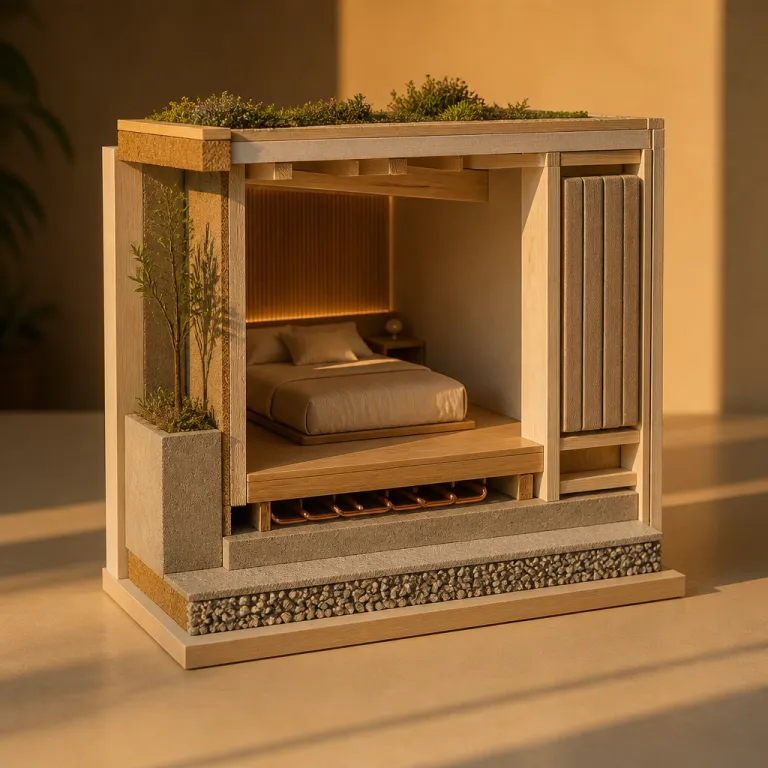
From love hotel fantasy to wellness architecture reality
Wellness-led hotel design for 2026 is no longer a niche fantasy for design hotels hidden in backstreets. It is becoming the structural language of the luxury hotel and of the more discreet love hotel where guests expect sensual privacy and serious wellness in the same stay. For business leisure travelers extending a work trip into a romantic night, the most interesting hotels now treat holistic wellness as the building’s operating system rather than a spa with a view bolted on.
In this new generation of wellness hotels, architecture, engineering, and interior design work together from the first sketch to support body mind balance. Firms such as Delos, HBG Design, and Vera Iconica Architecture collaborate with owners so that rooms, corridors, and spa wellness areas are designed as one continuous health focused environment. The result is a guest experience where acoustic zoning, air purification, and circadian lighting feel as natural as a good mattress or a generous minibar in a design hotel.
For love hotels, that shift is profound because intimacy and recovery now share the same spaces. A hotel resort that once relied on themed rooms and mirrored ceilings now competes on biophilic design, thermal comfort, and smart lighting that respects sleep cycles during every night of a stay. Wellness focused architecture gives these hotels permission to be playful in their design while still delivering measurable benefits to guests who arrive stressed from flights between the United Kingdom, Mexico, and other business hubs.
Engineering wellness from the pool cantilever to the quiet corridor
What separates wellness architecture from a simple spa deal is engineering discipline, not scented candles. When architects talk about next generation wellness oriented hotel design, they mean load calculations for cantilevered pools, thermal bridges around private pools, and sound absorbing assemblies in corridors where guests move between rooms at all hours. The fantasy may be romantic, but the structure is unapologetically technical.
Hotel Lürzerhof in Salzburger Land is a clear illustration of where hotel design is heading for both alpine retreats and urban love hotels. Its dramatic cantilevered infinity pool is not just an Instagram friendly view; it is part of a broader sustainability strategy that integrates on site hydroelectric energy generation, thermal management, and spa wellness circulation into one piece of architecture. According to the resort’s own published figures, the spa and wellness area extends over more than 4,000 square metres and the in house hydroelectric plant produces a surplus of electricity that is fed back into the local grid, showing that wellness hotels can be indulgent and efficient at the same time.
For travelers browsing a premium booking website, this level of engineering now matters as much as the room photos. A cantilevered pool above a suite with private pools below changes how couples use the hotel at night, how they move between spa treatments, and how they experience intimacy in semi public spaces. As one European Spa Magazine profile noted, guests increasingly “choose properties where the spa, energy systems, and architecture are conceived as one wellness ecosystem,” a mindset that now shapes how romantic travelers compare options before they check availability.
Silence, light, and the new science of sensual recovery
Acoustic zoning is where wellness architecture quietly transforms the guest experience in love hotels. The Global Wellness Institute notes that acoustic zoning and sound absorbing materials are now fundamental design requirements, and that shift is especially relevant for properties where passion, privacy, and sleep must coexist. In practice, that means layered wall assemblies, soft floor finishes, and carefully detailed doors that allow guests to enjoy their rooms without broadcasting their experience to the entire floor; in hospitality case studies, this kind of construction can reduce sound transmission by 10–20 dB compared with standard partitions, enough to turn a raised voice into a murmur.
For wellness driven hotel design in 2026, circadian lighting is the second pillar of this science based intimacy. Recovery focused amenities now extend beyond sauna and ice bath into breath work studios and circadian lighting systems that shift color temperature and intensity across the day. Manufacturers such as Signify and Ketra typically tune these systems from around 2,700 Kelvin in the evening to 5,000–6,500 Kelvin in the morning, with bedroom lighting often dimmed below 50 lux at night to support melatonin production. In a love hotel context, that might mean warm, low lighting that flatters skin in the evening, then cooler, brighter light in the morning that helps reset the body mind rhythm before a flight back to the United Kingdom or Mexico.
When these systems are designed into the architecture rather than added as gadgets, they shape every moment of the stay. A corridor with indirect circadian lighting, a spa wellness suite with daylight mimicking LEDs, and a room with blackout blinds all work together to support deep rest after a long night. For a deeper look at how Mediterranean properties are using this philosophy, our analysis of why every new Mediterranean property opens with a wellness center shows how design trends in resort markets are influencing intimate urban hotels worldwide.
Seasonal rituals, climate positive power, and biophilic intimacy
Wellness architecture is also rewriting how hotels think about time, not just space. Eha Retreat on Estonia’s Hiiumaa Island uses a five season calendar to program its eight suites and three forest cabins, aligning spa treatments, menus, and outdoor rituals with subtle shifts in the landscape. For couples, that means a stay where the experience of each night feels tuned to the forest outside rather than to a generic spa menu.
This seasonal thinking pairs naturally with biophilic design, which brings natural materials, views, and planting into the heart of hotel architecture. In wellness oriented hotel design for 2026, biophilic design is not a lobby plant wall; it is the decision to orient rooms toward morning light, to carve private pools into rock, and to frame the view from a soaking tub so that guests feel held by the landscape. When love hotels borrow these ideas, they move from neon fantasy toward a calmer, more elemental sensuality that still respects privacy.
Climate positive energy systems such as Lürzerhof’s on site hydroelectric plant close the loop between pleasure and responsibility. A hotel resort that generates multiple times its own energy needs can heat outdoor pools, run advanced air purification, and power circadian lighting without asking guests to compromise on comfort. For travelers choosing between hotels, asking how a property is powered is now as relevant as asking about room size or late check out, especially when wellness hotels promise to care for both guests and the planet.
How to read a wellness focused love hotel listing like an insider
For business leisure travelers scrolling through a luxury hotel listing, the language of wellness architecture can feel opaque. Start by looking beyond the spa tab and reading how the hotel describes its architecture, its spaces, and its approach to sound, light, and air. If the only mentions of wellness are a small spa and a few spa treatments, you are probably looking at an amenity, not a fully designed wellness hotel.
Serious wellness led hotel design in 2026 will reference air purification systems, acoustic zoning, natural materials, and sometimes partners such as Delos, HBG Design, or Vera Iconica Architecture. Some properties will highlight a chief creative or a creative officer responsible for aligning interior design, wellness programming, and guest experience across rooms, corridors, and spa wellness areas. When you see this level of detail in a listing, you can expect a more coherent stay where every night feels intentionally designed rather than assembled from separate departments.
On lovehotelstay.com, our editors have already selected properties where architecture and intimacy work together rather than compete. When you browse our guide to elegant airport area stays with seamless romantic logistics, you will notice that we report on circadian lighting, sound control, and biophilic design with the same care as we report on room themes. That is because wellness architecture is now the quiet backbone of the most interesting hotels, whether you are booking a single night rendezvous or a long weekend that blends work, romance, and recovery.
FAQ
What is wellness architecture in a hotel context ?
Wellness architecture in hotels means designing the entire building to support physical and mental health, not just adding a spa floor. It covers air quality, acoustic comfort, natural light, materials, and circulation patterns that reduce stress for guests. The Global Wellness Institute describes wellness architecture as the practice of creating spaces that actively promote well-being, and in hospitality that translates into guest rooms, corridors, and spa wellness areas that are planned as one integrated system.
How is wellness architecture different from a traditional spa with a view ?
A traditional spa with a view is usually an amenity added to an existing structure, while wellness architecture shapes the structure itself. In forward looking hotel design for 2026, engineers and designers plan pools, walls, lighting, and mechanical systems around wellness outcomes from the start, often using performance targets for air changes per hour, noise levels, and daylight exposure. This approach improves sleep, privacy, and recovery across all rooms, not only in the spa.
Why are more hotels and love hotels investing in wellness focused design ?
Hotels are adopting wellness architecture to meet rising guest demand for health focused environments and to differentiate in a crowded market. Research cited by organizations such as the Global Wellness Institute links wellness designed buildings to higher satisfaction and fewer sick days, which supports loyalty and rate premiums. For love hotels, the same features also enhance privacy, comfort, and the overall romantic experience by making rooms quieter, air cleaner, and lighting more flattering and restorative.
What should I look for when booking a wellness oriented love hotel ?
When you check a listing, look for references to biophilic design, air purification, acoustic zoning, and circadian lighting rather than only a long spa menu. Properties that mention partners like Delos, HBG Design, or Vera Iconica Architecture usually treat wellness as a core part of their architecture. You can also ask directly about sound insulation ratings, the use of natural materials such as wood and stone, and whether spa wellness facilities are integrated with the rest of the hotel or operate as a separate add on.
Are wellness features only available in luxury properties ?
Wellness features started in the luxury hotel segment but are now moving into four star and midscale hotels. Saunas, cold plunges, and treatment rooms are increasingly standard, while more advanced elements such as circadian lighting and large scale hydrothermal circuits still cluster in high end design hotels and resort properties. Over time, as costs fall and guest expectations rise, many of these wellness architecture elements will filter into a wider range of hotels, including discreet love hotels in major cities.
Sources: Global Wellness Institute, European Spa Magazine, The Arts Shelf, manufacturer technical sheets for circadian lighting systems.