Why a love hotel overnight stay suits non couples
A love hotel overnight stay for non couples can be a smart, discreet upgrade from regular hotels. For many people visiting Japan, especially families or solo travelers, the combination of generous room sizes, themed rooms and privacy engineering makes these properties unexpectedly practical. When you choose love hotels thoughtfully, you will find that an overnight stay can feel like a calm, good night retreat rather than a red light cliché.
Across Japan, love hotels evolved to solve a simple problem: limited private space at home meant couples needed somewhere quiet, but the same design now benefits non couples who want privacy during a busy trip to Japan. These hotels offer thick walls, soundproof doors and direct lift access to each floor, so staying in love hotels can feel more restful than staying in many regular hotels on crowded streets. For an overnight stay, non couples often appreciate that staff interaction is minimal, check in is fast and automated, and people can arrive late at night without any raised eyebrows.
Many Japanese love properties now position themselves as flexible urban hideaways where hotels allow single guests, friends and even parents with older children, especially during off peak nights. You will find that some hotels highlight their large bathrooms, massage chairs and karaoke rooms as reasons to book a longer stay rather than only short visits. When you plan your booking, think of a love hotel as a private mini apartment for one night, with a themed room and amenities that would cost far more in standard hotels in Tokyo or in other major cities worldwide.
How stay rates, check in and check out work for non couples
Understanding the difference between a short stay and an overnight stay is essential before you book a love hotel overnight stay for non couples. In most Japanese love properties, the tariff board outside lists two main options: a rest rate for short stays of two or three hours, and a stay rate for overnight stays that usually begins around 22.00 and runs until late morning. If you are staying in love hotels as a family or solo traveler, always check the illuminated price panels carefully because time bands can change between weekdays and weekends.
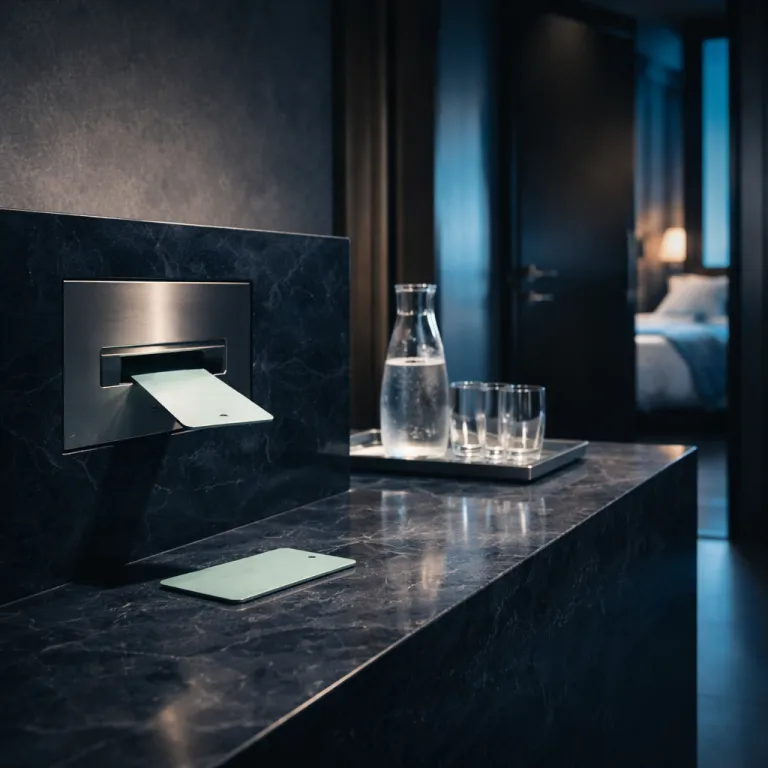
When you arrive, you usually select your room on a touch screen panel that shows live availability, a sample photo of each room and the exact stay or short stay price. This anonymous check in system, sometimes supported by vending machines for payment, means people can complete their booking without speaking much Japanese, which is reassuring for a first time trip to Japan. For a detailed walk through of what actually happens from entrance to exit, many travelers read guides such as your first love hotel stay in Japan before they travel.
Overnight stays for non couples follow the same timeline as for couples: you check in after the stay rate begins, enjoy the room and its amenities, then settle the bill at a discreet front desk or automated kiosk before check out time. If you arrive early, some hotels allow you to pay a rest rate first, then extend into a stay rate without changing rooms, which can be useful for long layovers or late tours activities in Tokyo. Always ask, or use translation apps, because each hotel will set its own rules about extensions, extra people and whether children can share the same rooms.
Choosing love hotels in tokyo and beyond when you are not a couple
For a love hotel overnight stay non couples in tokyo, location and policy matter more than fantasy themes. Around Ikebukuro, Shibuya and Shinjuku, you will find clusters of love hotels where some properties quietly welcome solo guests, friends or parents with teenagers, while others still focus only on couples. Look for signage in English or online descriptions that state clearly that hotels allow single occupancy, group stays or family use, because that transparency usually reflects a more flexible attitude.
One frequently mentioned example in Ikebukuro is a property with spacious rooms, whirlpool baths, massage chairs and strong soundproofing that feels closer to a design forward city hotel than to a stereotypical red light venue. These hotels offer generous square meterage compared with many regular hotels in central tokyo, which can be crucial if you are sharing with children or carrying large luggage for a long stay. In practice, people who choose love hotels tokyo for non romantic reasons often do so because they value space, privacy and late check in more than a traditional lobby or restaurant.
Outside tokyo, regional cities across japan from Osaka to Fukuoka also host dense pockets of love hotels where overnight stays are priced competitively against business hotels. Some of these hotels love to market themed rooms inspired by European castles, Japanese anime or tropical resorts, which can turn a simple night into a playful memory for families with older kids. When you travel beyond the capital, always check local reviews and recent guest photo galleries to confirm that a specific love hotel is comfortable for non couples, because policies and atmosphere can vary widely between properties and regions.
How to book, what to bring and how to behave
Booking a love hotel overnight stay non couples has become easier as more properties quietly join mainstream platforms. In major districts you will find love hotels listed on booking sites alongside business hotels, which allows people to compare stay rates, room sizes and amenities against regular hotels in the same area. When you book online, you will find that some hotels offer explicit options for single guests or triple rooms, while others still require walk in booking only.
If you prefer spontaneity, you can simply walk into a love hotel, check the illuminated board and choose from the available rooms, but this works best on weekday night stays outside peak holidays. For families, I recommend pre booking at properties that clearly state that hotels allow children, and bringing essentials such as snacks, extra towels and any specific toiletries you prefer, because vending machines usually focus on drinks and adult items rather than family needs. Remember that many Japanese love hotels are designed for discretion, so there may be no lobby lounge, no restaurant and limited staff presence, which means planning your meals and tours activities schedule in advance.
Etiquette is straightforward: treat the room with respect, keep noise reasonable and avoid corridor gatherings, because other guests may be couples seeking quiet. Non Japanese people sometimes worry about doing something wrong, but the systems are built to be intuitive, with clear pictograms on touch screens and simple payment flows. As one industry summary puts it, "Can non-couples stay overnight in love hotels? Yes, many love hotels allow non-couples to stay overnight."
Design, amenities and privacy advantages over regular hotels
One of the strongest arguments for a love hotel overnight stay non couples is the hardware: these buildings are engineered for privacy and comfort in ways that many regular hotels cannot match at the same price. Even an entry level room in a mid range tokyo love hotel often includes a large soaking tub, a powerful shower, a big bed and a sofa, all within around 25 to 35 square metres. For families or friends sharing, that extra floor space makes packing, sleeping and simply moving around far more pleasant during a long stay.
Japanese love hotels also excel at in room entertainment, which can transform a rainy night on a trip japan into a relaxed movie marathon or karaoke session. Many rooms feature large televisions, on demand films, gaming ports and sometimes playful extras such as pole dance stages or themed décor, though non couples can simply ignore the props and enjoy the generous layout. Compared with regular hotels, where corridors and lobbies can feel busy, the direct lift to room design and minimal staff contact in love hotels offer a sense of seclusion that many people quietly appreciate.
Practical touches matter too: vending machines on each floor usually sell drinks, snacks and basic amenities, so you can settle in for a good night without leaving your room. Some hotels offer free soft drinks, welcome sweets or rental items such as phone chargers, hair straighteners and extra pillows, which makes staying in love hotels feel surprisingly indulgent for the nightly rate. When you compare the total package of space, amenities and privacy, it becomes clear why more non couples now choose love hotels for overnight stays rather than treating them only as short stay venues for couples.
Hidden getaways and cultural context for non japanese guests
Beyond the neon of tokyo, a love hotel overnight stay non couples can become a memorable hidden getaway in quieter districts or regional towns. In residential neighborhoods, you will find low rise love hotels tucked behind trees or on a small hotel hill above the main road, where the atmosphere feels more like a private villa than a red light landmark. These properties often attract drivers, but they can also work for rail travelers willing to walk ten or fifteen minutes from the nearest station.
Understanding the cultural context helps non japanese guests feel at ease during their stay. Love hotels emerged because many people in japan lived with extended families in compact apartments, so couples needed discreet spaces for intimacy and rest, yet the same infrastructure now supports solo travelers, friends and parents who simply want quiet rooms. When you choose love hotels as hidden getaways, you are tapping into a mature hospitality segment that has refined its service model over decades and is regularly discussed in Japanese media and tourism reports.
For design focused travelers, a night in a carefully chosen love hotel can sit alongside more traditional stays, such as a restored Venetian palazzo featured in guides like this in depth review of a historic canal side property. Both experiences show how hotels offer more than beds: they express local culture, architectural taste and social history through their rooms and public spaces. When you travel with an open mind, you will find that staying in love hotels as a non couple can feel less like a novelty and more like an insider way to experience contemporary japanese love culture from the privacy of your own room.
Key figures on love hotels and non couple stays
- Industry estimates suggest that Japan’s love hotel sector generates several billion US dollars in annual revenue, which underlines how mainstream these properties are compared with niche themed regular hotels.
- Typical rest rates cover a short stay of two to three hours during daytime, while stay rates for overnight stays usually begin around 22.00 and run until 10.00 or 11.00 the next morning, giving non couples a clear framework for planning their time.
- In dense districts of tokyo such as Shibuya or Ikebukuro, clusters of love hotels can offer dozens of rooms within a few hundred metres, which increases competition and keeps prices for a love hotel overnight stay non couples significantly below many central business hotels.
- Industry surveys and booking platform data show that more love hotels allow single guests and small groups each year, reflecting a gradual shift from exclusively couples focused short stays toward more flexible urban accommodation models.
FAQ about love hotel overnight stay for non couples
Can non couples really stay overnight in love hotels ?
Yes, non couples can stay overnight in many love hotels, and this is increasingly common in major japanese cities. Properties that welcome solo travelers, friends or families usually state this clearly on their websites or booking platform listings. Always check recent reviews to confirm that other non couples have had comfortable overnight stays.
How do I find love hotels that accept solo travelers or families ?
Start by searching booking platforms for love hotels in tokyo or other cities, then filter for properties that list single or triple rooms and mention children in their policies. When walking through a district, look for signage in English and price boards that show both rest and stay rates, which often indicates a more open approach. If in doubt, step into the lobby and politely ask staff, using a translation app if necessary.
Are love hotels cheaper than regular hotels for overnight stays ?
In many central areas, a love hotel overnight stay non couples can cost 50 to 70 percent less than an equivalent sized room in nearby regular hotels. The price difference is especially noticeable on weeknights outside major holidays, when demand from couples is lower. Always compare the total cost, including any late check out fees, against business hotels or serviced apartments.
Is it appropriate to bring children to a love hotel ?
Some love hotels allow parents with children, particularly in more residential areas, while others strictly limit access to adults. If you are considering this option, choose love hotels that clearly state family friendly policies and avoid properties in the most intense red light streets. Inside the room, themed décor can range from neutral to provocative, so review online photo galleries carefully before booking.
What should I expect from check in and privacy during my stay ?
Most japanese love hotels use anonymous check in systems with touch screens that show each room, its photo and current price, allowing you to select without direct conversation. Payment is often handled through a discreet counter window or automated machine, and lifts usually open directly onto guest floors with minimal signage. This layout gives non couples a high level of privacy compared with many traditional hotels, which some travelers value after a long day of tours activities and city exploration.