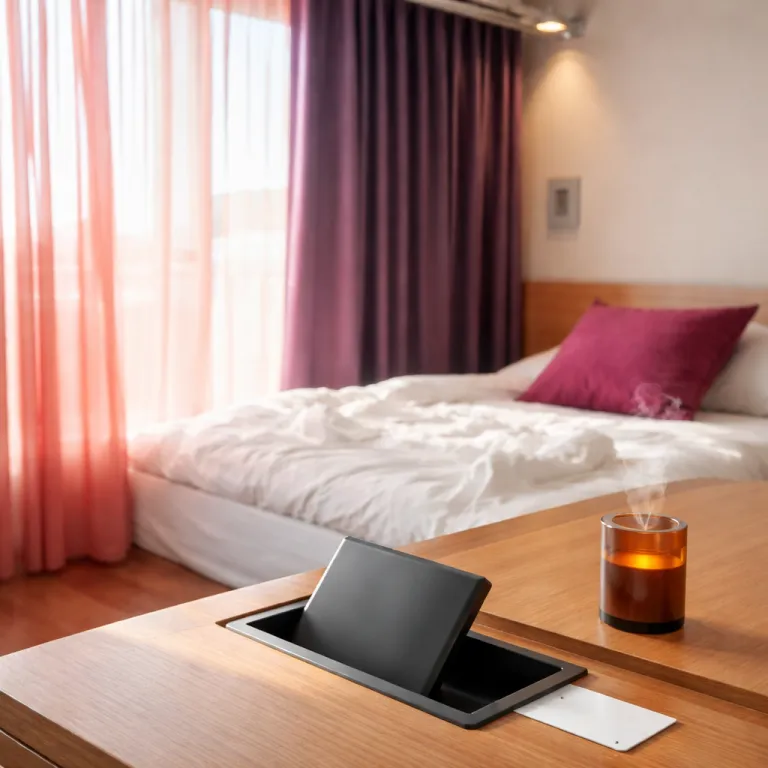
How love hotel smart room technology design rewrote the rulebook
Step into a well considered love hotel room and the first impression is not a gadget, it is a feeling. The love hotel smart room technology design philosophy puts mood, intimacy and privacy ahead of visible tech, which is why the best properties feel calm rather than wired. In a leading smart hotel, every room, corridor and shared space is choreographed so that technology supports the guest instead of demanding attention.
Owners in this niche understood early that a hotel room could be both playful and rigorously engineered. Long before mainstream hotels talked about smart rooms, Japanese love hotels were using integrated panels to let guests control lighting, music and even water features without leaving the bed. That same approach now shapes hotel design worldwide, from compact urban hotels to expansive highway properties where couples want a discreet stay with sophisticated amenities.
Across the hospitality industry, about sixty percent of hotels are adopting some form of smart technology, and guest satisfaction in smart rooms has risen by roughly a quarter according to Hospitality Net. Those numbers simply confirm what love hotels have tested for decades ; guests want intuitive systems, not complicated interfaces. When you evaluate hotel rooms on a premium booking website, pay attention to how the property describes its smart tech features, because the best smart hotels talk about atmosphere, not hardware.
Invisible systems that let guests control the mood, not the menu
In a refined love hotel, the most impressive systems are usually the ones you barely notice. Panel based room technology sits flush with the wall or bedside table, giving guests control over lighting, temperature and sound in a few clear icons rather than a maze of switches. This is where love hotel smart room technology design excels ; it translates complex tech into a simple, sensual experience.
Lighting scenes are central to that experience, because lighting can shift a room from playful to tranquil in seconds. Many smart rooms use pre programmed settings that adjust both lighting temperature and intensity, so a couple can move from a warm, low glow to a cooler, brighter scene with one touch. In some themed hotel rooms in Tokyo and Osaka, interactive lighting systems even sync with music, yet the controls remain discreet enough that the room still feels like a sanctuary rather than a nightclub.
For couples planning a romantic stay in Mexico City, properties featured in this guide to romantic stays in a love hotel in Mexico City show how far this integration can go. Room tablets or wall panels often manage everything from keyless entry to room service, but the interfaces are stripped back and icon led, so guests are never wrestling with menus. The result is a guest experience where smart tech fades into the background and the room itself, with its textures, colors and proportions, takes center stage.
From early control panels to today’s smart hotels
Love hotels were experimenting with smart tech long before the term smart hotel appeared in marketing copy. In the eighties and nineties, many properties installed centralized control panels beside the bed, allowing guests to manage lighting, television, music and sometimes even ventilation from a single interface. Those early systems were clunky by today’s standards, yet they set the template for integrated room technology that the wider market is now embracing.
Today, smart hotels refine that legacy with cleaner design and more powerful systems. A contemporary smart room might hide speakers in the ceiling, embed LED strips behind headboards and use motion sensors to trigger low level night lighting when a guest steps out of bed. In some advanced hotel rooms, voice activated assistants handle simple tasks, while room tablets give guests control over everything from spa bookings to ambient playlists.
Properties such as Hotel Sara Grande and Hotel Varkin Annex in Japan illustrate how far this can go, with interactive light shows woven into the architecture rather than bolted on as afterthoughts. For couples considering an intimate escape in the United States, the curated selection of refined love hotel stays in New Jersey highlights similar thinking, where themed spaces rely on integrated systems rather than props. Across these hotels, the consistent thread is a design language where technology is present in every corner of the room, yet rarely visible as a separate object.
Why discreet smart tech creates a richer guest experience
When technology is loud, the romance of a room evaporates quickly. Couples booking a premium love hotel are not seeking a showroom of devices ; they want a stay where every interaction feels effortless and private. That is why the most successful love hotel smart room technology design schemes treat tech as infrastructure, not decoration.
Keyless entry is a good example, because it quietly solves several emotional and practical needs at once. Guests can arrive by car, walk straight to their room and unlock the door with a code or smartphone, avoiding a traditional front desk and minimizing small talk. Inside, tablets for guests or slim wall panels take over, letting them adjust lighting temperature, climate and entertainment without hunting for switches or calling room service.
For a deeper look at how this philosophy translates into mainstream luxury, the editorial guide to luxury stays and premium experiences near Love Field in Dallas shows how discreet tech is now a selling point beyond the love hotel market. In these properties, the guest experience is shaped by systems that anticipate needs, from automated curtains that respond to sunrise to occupancy sensors that adjust air conditioning when rooms are empty. The common thread with the best love hotels is simple ; guests control the environment intuitively, while the hardware remains almost invisible.
What to look for when booking a smart love hotel room
For travelers using a luxury booking website, the language in a property description reveals a lot about its approach to smart tech. Look for mentions of integrated lighting systems, room tablets, keyless entry and voice activated controls, but pay equal attention to how these features are framed. If the focus is on comfort, privacy and mood rather than on brand names and specifications, you are likely dealing with thoughtful love hotel smart room technology design.
It also pays to consider how well the hotel’s équipe has been prepared for this shift. Smart hotels that invest in staff training tend to offer smoother stays, because the team can quickly explain how guests control the room and troubleshoot any issues. When a hotel describes its amenities in terms of scenes, presets and personalized experiences, it usually signals that the hospitality industry partners behind the project have prioritized both design and usability.
Before you confirm a stay, check guest reviews for comments about confusing controls or unreliable systems, as these are red flags in any smart room. Many travelers now expect internet of things style connectivity, but they also expect it to work without friction or drama. As one concise definition puts it, “A smart love hotel room is a hotel room equipped with advanced technologies for enhanced guest experience.”
FAQ
What is a smart love hotel room ?
A smart love hotel room is a hotel room where lighting, climate, entertainment and access are managed through integrated systems rather than separate switches and devices. In these rooms, guests control most functions from a single panel, tablet or smartphone, often with options for keyless entry and automated scenes. The goal is to create a seamless, mood driven experience rather than to showcase visible gadgets.
How do smart technologies improve guest stays in love hotels ?
Smart technologies improve stays by making every adjustment faster and more intuitive for guests. With centralized room technology, couples can change lighting temperature, close curtains, order room service or adjust music without leaving the bed or calling reception. This level of control supports privacy, reduces friction and allows the design of the room to frame the experience instead of the tech itself.
Are smart hotel rooms in love hotels secure and private ?
Well managed smart hotels treat security and privacy as non negotiable parts of the guest experience. Systems for keyless entry, internet connected devices and voice activated controls are typically isolated from public networks and monitored by specialized technology providers. When evaluating a property, look for clear statements about data protection, limited data retention and the ability to disable certain features if you prefer a more traditional stay.
What should I check before booking a smart room in a love hotel ?
Before booking, read how the hotel describes its smart room features and whether they align with your comfort level. If you value simplicity, prioritize hotels that emphasize preset scenes, intuitive room tablets and minimal visible hardware rather than complex entertainment systems. Reviews that praise easy controls, responsive staff and stable Wi Fi usually indicate that the property has invested properly in both technology and staff training.
Do I need technical knowledge to use smart rooms in love hotels ?
Guests do not need technical expertise, because the best love hotel smart room technology design hides complexity behind clear icons and simple buttons. On arrival, take a minute to explore the main control panel or tablet, and do not hesitate to call reception if something is unclear. Most properties also provide a short printed or digital guide, so you can focus on the stay rather than on learning a new system.